
Quick answer: how do you sleep at Glastonbury?
The Glastonbury-specific sleep challenges: Somerset sunrise hits your tent at 4:30am, the campsite never goes fully quiet, and the temptation to stay out every night until 4am compounds badly by Sunday. The solution: earplugs (NRR 32+), a blackout eye mask, a tent with a dark inner fabric, a 5°C sleeping bag with a liner, and protecting at least one night with a midnight return. The campsite noise is manageable — the 4:30am light is the bigger enemy for most people.
Glastonbury sleep is its own challenge. The site runs 24 hours — there is always something happening, always noise somewhere, and the Somerset summer sky lights up your tent far earlier than feels reasonable after a night at the Park Stage. This guide covers the specific tactics that work at Glastonbury.
For the full festival sleep guide covering all UK festivals, see our how to sleep at a festival guide.
The Glastonbury-specific sleep challenges
Quick answer: why is sleep so difficult at Glastonbury specifically?
Four Glastonbury-specific factors make it harder than most festivals: (1) the 4:30–5am Somerset sunrise in late June floods standard tents with light, (2) the campsite runs 24 hours with no quiet period, (3) the sheer scale of the site means late-night journeys back to camp are long and stimulating, (4) the festival spans 4 nights rather than 2–3. Four consecutive disrupted nights creates a sleep debt that compounds significantly — managing it strategically makes a real difference to Sunday.
The essential Glastonbury sleep kit
| Item | Why it matters at Glastonbury | Get it |
|---|---|---|
| Foam earplugs (NRR 32+) — x4 pairs | Campsite noise runs all night — late stages, generators, returning crowds | Amazon |
| Contoured eye mask (blackout) | 4:30am sunrise in Somerset — non-negotiable | Amazon |
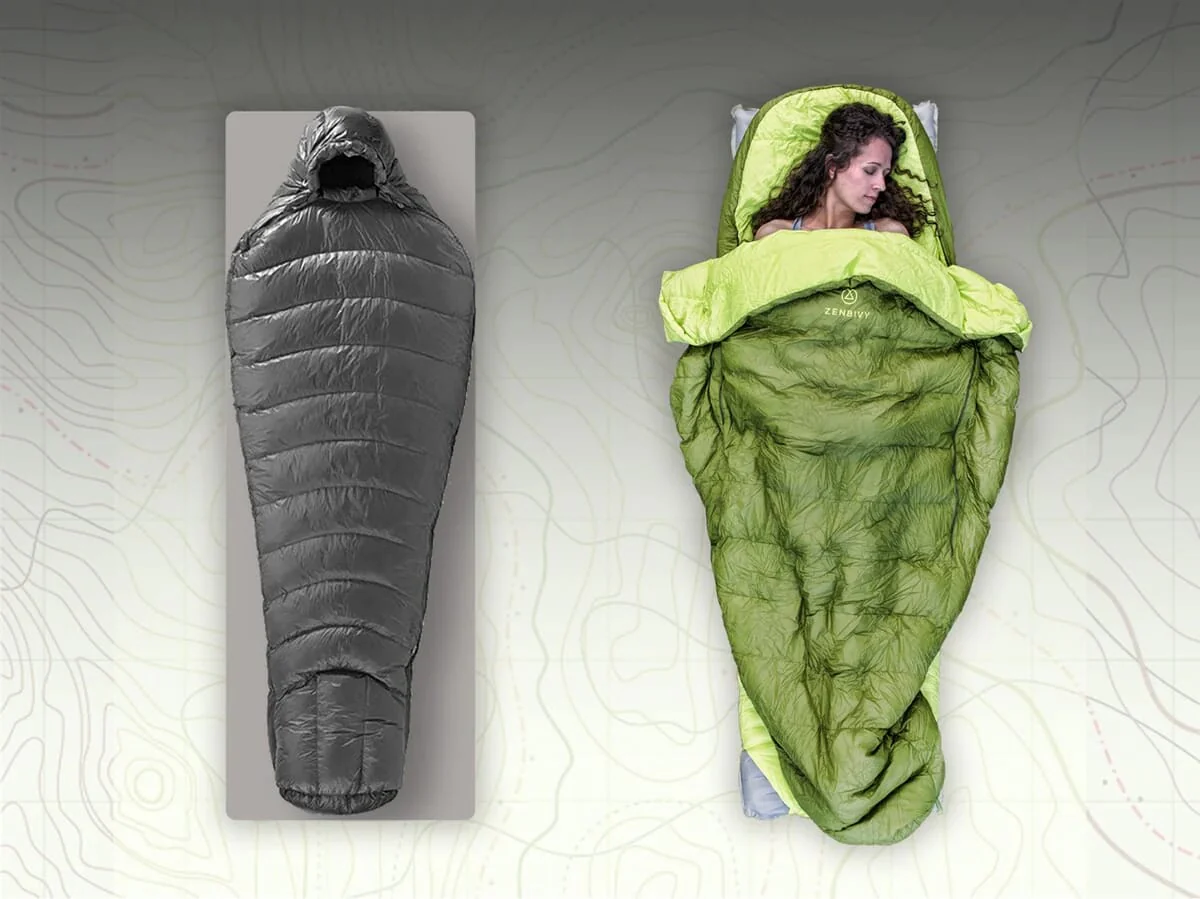
| 3-season sleeping bag (5°C comfort) | Nights drop to 7–12°C — a summer bag leaves you cold | Amazon |
| Sleeping mat | Insulates from cold ground — sleeping bag ratings assume this | Amazon |
| Sleeping bag liner | Adds warmth and keeps the bag clean across 4 nights | Amazon |
| Thermal base layer (sleep set) | Clean sleep layer separate from day clothes | Amazon |
| Beanie hat | Significant heat loss through the head on cold Glastonbury nights | Amazon |
Tent choice for Glastonbury sleep
Quick answer: what is the best tent for sleeping at Glastonbury?
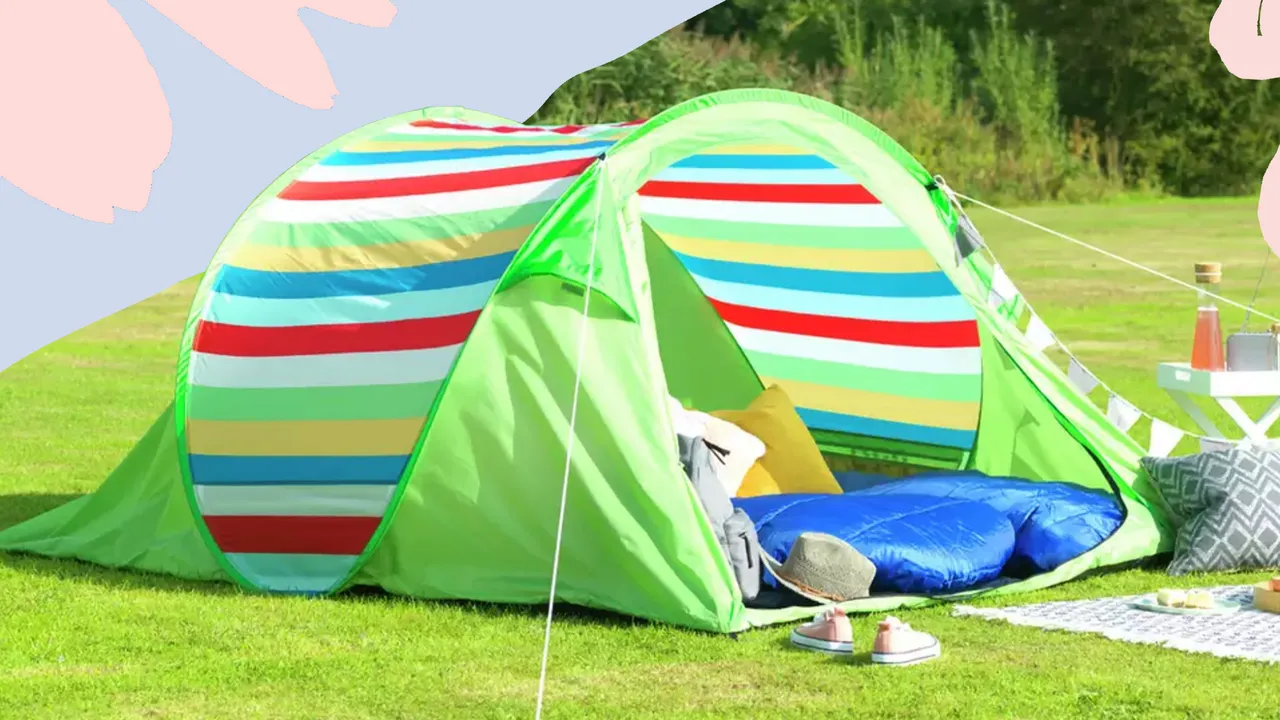
A tent with a blackout inner fabric is the single most important feature for Glastonbury sleep. The Decathlon Quechua blackout range blocks up to 99% of light — meaning the 4:30am Somerset sunrise does not end your sleep. Standard festival tents with thin pale fabric are functionally unusable after 5am in late June. If you are buying a new tent for Glastonbury, blackout inner is the feature to prioritise above all others. See our best festival tents UK guide for specific picks.
Non-blackout tent tip: pitch with your tent door facing west or northwest — away from the easterly sunrise. Drape a reflective emergency blanket over the top of the tent before you sleep to reduce heat and light penetration. It will not fully replicate a blackout tent but makes a noticeable difference.
Pitch placement for better sleep at Glastonbury
Quick answer: where should I pitch my tent at Glastonbury for the best sleep?
The furthest fringes of Pennard Hill or Oxlyers camping fields are generally the quietest. Avoid pitching near the acoustic stages, the healing fields perimeter, late-night bar areas, or any main walkway that people return along in the early hours. The Park Stage runs until 2am and the surrounding campsite area is noisy all night. Arriving Thursday (or earlier) gives you the best pitch choice before the site fills.
Managing the 4-night sleep debt
Quick answer: how do I manage sleep across all 4 nights at Glastonbury?
The most effective strategy: protect at least one night (usually Friday or Saturday) with a midnight or 1am return rather than staying out until 4am. You miss the last hour or two of a late set but gain two to three hours of extra sleep that makes a measurable difference to Sunday. Four consecutive 3am nights creates a cumulative debt that genuinely impairs enjoyment by the time the Sunday headliner goes on. The people who enjoy all of Sunday are usually those who managed at least one proper night.
Natural sleep support at Glastonbury
The disrupted conditions at Glastonbury — late nights, alcohol, high activity, unfamiliar sleeping environment — deplete the nutrients your body uses to regulate sleep. Taking magnesium in the evening supports muscle relaxation and nervous system regulation. 5-HTP supports natural serotonin and melatonin production.
Lily & Loaf’s sleep range includes both in travel-friendly capsule formats that pack easily in a wash bag alongside your other Glastonbury kit. Take in the evening as part of your pre-sleep routine.
Chamomile tea bags in your kit provide a mild, well-evidenced herbal wind-down signal. A full water bottle with an electrolyte tablet before sleep partially offsets the dehydration from a long day and evening drinking. Browse chamomile tea bags on Amazon and electrolyte tablets on Amazon.
Glastonbury-specific sleep tips
- Download a white noise app before you arrive — consistent background sound masks the irregular campsite noises that break sleep cycles most effectively. Use it through one earbud alongside your earplugs
- Keep your tent cool during the day by opening all vents and leaving the door unzipped while you are on site — a tent that has been baking for 8 hours takes hours to cool down and makes falling asleep much harder
- Mark your tent with a distinctive flag or ribbon visible from a distance — finding your pitch in the dark after a long evening is significantly easier if you can spot it quickly
- Pack your sleeping bag at the very bottom of your rucksack and put it in a dry bag — keeping it dry until you are ready to sleep is the priority
- Use the baby wipe wash routine before sleep each night — getting into a sleeping bag clean makes sleep onset noticeably easier
Related reading
- 😴 How to Sleep at a Festival — full guide
- 🛏️ Best Festival Sleeping Bags UK
- ⛺ Best Festival Tents UK
- 🎒 Festival Packing List UK
Frequently asked questions
Is it possible to sleep well at Glastonbury?
Yes — with the right kit and tactics. Earplugs, a blackout eye mask, a 3-season sleeping bag, and protecting at least one night with an early return make a significant difference. Glastonbury sleep will never be perfect but four to five hours per night is achievable and enough to enjoy the full weekend.
What time does the sun rise at Glastonbury?
In late June in Somerset, sunrise is approximately 4:30–5:00am. Without a blackout tent or a good eye mask, your sleep ends at this point regardless of what time you went to bed. A contoured blackout eye mask is the most cost-effective solution if you do not have a blackout tent.
What is the quietest camping area at Glastonbury?
The quieter camping fields tend to be the outermost fringes of Pennard Hill and Oxlyers, furthest from the main stage areas and the walkways people use returning from the Park Stage. Arriving Thursday gives you the best choice of pitch location. Check the current year’s Glastonbury site map at glastonbury.com for exact campsite layouts.
How do I stop my tent getting hot at Glastonbury?
Open all vents and leave the door unzipped while you are on site during the day. Drape a reflective emergency blanket over the outside of the tent to reflect afternoon sun. A tent that bakes in direct sun all day takes hours to cool — opening everything while you are away on site is the most effective solution.
Discover more from The Mosh Manual
Subscribe to get the latest posts sent to your email.