

The UK Festival Survival Guide: Everything I Wish I’d Known
Written by Alan Spicer · Last updated April 2026 · 40,000+ words of hard-earned festival knowledge
I’ve been going to UK festivals since the early 2000s. Glastonbury, Reading, Download, Latitude, Creamfields, Green Man, a dozen smaller ones I can’t remember the names of. I’ve pitched a tent in horizontal rain at 11pm with a head torch in my mouth. I’ve lost a phone, found someone else’s, and been found at 3am by a kind stranger with a head torch and a packet of Wotsits when I couldn’t remember which row my tent was in. I’ve been the first-timer who packed three pairs of jeans and no spare socks, and I’ve been the smug veteran who watched somebody else make exactly that mistake.
This is the guide I wish someone had handed me before my first festival. Not a marketing brochure. Not a “10 things you need to bring” listicle. The actual, full, end-to-end thing — every section of every part of the experience, written as if I were sat across from you in a pub explaining it.
It’s long. It’s deliberately long. UK festivals are complicated, weather-dependent, expensive, occasionally life-changing, and easy to mess up if nobody’s told you what to expect. The point of this guide is that nobody has to mess it up the way I did. You can read it end-to-end, or you can use the table of contents below to jump straight to the bit that’s bothering you right now — tickets, packing, the toilets, sleeping, the rain, getting home in one piece.
A quick note on who this is for. I’ve tried to write it for everyone — the 18-year-old going to Reading for the first time, the parents taking their kids to Camp Bestival, the 40-year-old going back to Glastonbury after a decade away, the disabled attendee planning their access requirements months out, the solo female traveller doing Latitude on her own, the group of mates trying to do Creamfields on £300 each. Where archetypes need different advice, I’ve called it out. Where the advice is universal, I’ve kept it universal.
And one note on tone: I’m British, I write British, and I’ll occasionally swear when something deserves it. UK English throughout. Metres, grey, programme. Wellies, not “rain boots.” If you’re reading from outside the UK and want to apply this to a festival elsewhere, the principles transfer fine — the specific weather assumptions and ticket mechanics don’t.
Before you read on: I built a printable Festival Survival Guide PDF — pocket reference version of everything below, designed to fit in your bag and survive without signal. Free download, no faff.
Table of Contents
- Introduction & who this is for
- The UK festival landscape
- Tickets: how to actually get them
- Budget: what a UK festival actually costs
- Pre-festival planning: the 6-week countdown
- The complete packing list
- Camping kit: tents, sleeping bags, mats
- Clothing & footwear: the weather reality
- Tech: phone, power, comms
- Getting there: travel logistics
- Arriving & pitching camp
- Campsite life: sleeping, hygiene, security
- Hygiene & health
- Food & water
- The music itself
- Drug safety (harm reduction)
- Weather scenarios
- Archetype-specific guides
- UK festival deep-dives
- Lost & found, emergencies
- Post-festival recovery
- Common mistakes & myths
- Gear we recommend by category
- Comprehensive FAQ
- Glossary
- Further reading & resources

2. The UK Festival Landscape — How to Choose the Right One
According to the Association of Independent Festivals’ most recent count, there were around 592 festivals in the UK in 2025 — and although that number has dipped a bit from the pre-pandemic peak, the variety is still ridiculous. You can do a one-day jazz festival in a town park, a five-day immersive city-build like Boomtown, or sit in a field in Pilton with 200,000 strangers watching Olivia Rodrigo headline the Pyramid Stage. They are not the same experience, and what works for a 19-year-old at Reading will absolutely break a 38-year-old parent of two.
I want to walk you through how I’d choose if I was starting from scratch today. We’ll then look at the big UK festivals at a glance, then talk about the archetypes and which festivals tend to suit each.
How do I pick the right UK festival for me?
You pick the right festival by being honest with yourself about three things: music, tolerance for chaos, and budget. In that order. Most people get this wrong by picking festivals based on Instagram aesthetics or because their mate is going. Both are bad reasons.
Start with music. If you’ll be miserable unless you see two acts you adore, look at the lineup before you do anything else. Lineups are typically announced from late November through to spring, with smaller stages confirmed last. Genre-aligned festivals (Download for rock and metal, Creamfields for dance, Green Man for folk and indie) tend to be safer bets than mixed-genre giants because everything on the bill is in your wheelhouse, not just two acts.
Then ask yourself how much chaos you can handle. Glastonbury is glorious but it’s also a five-day endurance event with a 210,000-strong city built in a field, mile-long walks between stages, and zero phone signal at the worst times. Latitude is gentler — smaller, leafier, more curated. Camp Bestival is built for families. There’s no shame in choosing the easier festival; the goal is to enjoy it, not to prove anything.
Then budget. We’ll do a full cost breakdown in Section 4, but as a rough sense-check: a major-festival weekend in 2026 will cost most people somewhere between £350 and £700 all-in, depending on how much you spend on-site. Smaller and budget festivals can be done for under £150. If money is tight, our festival on a budget guide walks through the cheapest credible UK options, and our best budget UK festivals 2026 roundup covers events under £100 and under £200.
What’s the difference between a big festival and a small festival?
A big festival (50,000+ capacity) gives you scale, headliners, infrastructure, multiple stages, more food choice, and a much higher chance of having a “wow” moment. It also gives you queues, longer walks, more risk of losing your mates, harder-to-reach toilets, and more anonymity. A small festival (under 10,000) gives you intimacy, easy navigation, friendlier vibe, often better food, less queueing, and a community feel — at the cost of smaller-name acts and fewer creature comforts.
Mid-sized festivals (15,000–40,000) are the sweet spot for most first-timers. Big enough to have proper infrastructure, real toilets, decent food and headliners you’ll have heard of. Small enough that you can find your mates, walk between stages without losing the will to live, and feel like a person rather than a number. Latitude, Green Man, Camp Bestival, TRNSMT and Isle of Wight Festival all sit broadly in this band.
Are UK festivals worth the money?
For the right person, yes — comfortably. A weekend at a UK festival typically delivers 25–40 live acts you wanted to see, three to five days of community, and a set of memories that will outlast almost anything else you spend that money on. The per-act cost works out lower than the equivalent number of standalone gigs in most cases. Plus you’re paying for the experience around the music — the camping, the people, the unexpected stuff.
That said, festivals are a poor choice if: you struggle to sleep in noisy environments, you have access needs that the festival can’t realistically meet, you don’t drink and don’t enjoy being around people who do (some festivals lean heavier than others), or you’re going purely because someone else wants you to. None of those are character flaws. Some people will get more out of three day-tickets at separate gigs across the summer.
Glastonbury 2026 is a fallow year — what does that mean?
Every five or six years Glastonbury Festival takes a “fallow year” — Worthy Farm rests, the cows reclaim the fields, the team gets a breather, and there’s no festival. 2026 is a fallow year, so there is no Glastonbury Festival in 2026. The next Glastonbury is scheduled for late June 2027. This matters because it pushes a vast amount of pent-up demand onto every other UK festival in 2026 — expect Latitude, Green Man, End of the Road, Wilderness and Boomtown to sell faster than usual. If you’ve got a “Glastonbury or nothing” policy, your best move is to register for 2027 tickets now (we’ll cover that in Section 3) and pick a backup festival for 2026.
Festival archetypes — which UK festivals suit which person?
This is the rough framework I use when friends ask me where to go. None of these are rigid — there are 19-year-old metalheads at Latitude and 50-year-olds at Reading — but as a starting point:
- The first-timer: mid-sized, well-run, non-camping option available. Latitude, Camp Bestival, Wireless or Isle of Wight Festival are all good entry points. Avoid Boomtown as your first festival. Read our best UK festivals for first-timers 2026 guide for the full breakdown.
- The rock/metal head: Download Festival (the UK’s biggest rock and metal event) or Slam Dunk. Our Download 2026 guide has the deep-dive.
- The dance fan: Creamfields takes the crown. Parklife is the urban equivalent. Both are different beasts.
- The indie/folk crowd: Green Man (Brecon Beacons), End of the Road, Larmer Tree.
- The family: Camp Bestival is the gold standard. Latitude’s Kids Area is excellent. Read our best UK festivals for families 2026 for more options.
- The disabled attendee: Festivals vary enormously in accessibility. Glastonbury, Latitude and Camp Bestival lead the field; some smaller boutique festivals struggle. Our festival for disabled people UK 2026 guide breaks it down.
- The over-30s: Latitude, Green Man, End of the Road, Wilderness. Less mosh pit, more deckchair. Our festival tips for over 30s UK 2026 covers the kit and approach changes you’ll want to make.
- The solo traveller: Mid-sized festivals with strong social structures around the campsites. Green Man, Boomtown, Glastonbury (yes, really). See our solo festival tips UK 2026 and solo female festival tips UK 2026.
- The budget warrior: Smaller regional festivals (under £100), volunteering for free entry. The festival volunteering UK 2026 guide explains how to volunteer with Hotbox, Oxfam or Festaff for a free ticket.
If you want a calendar view of every major UK festival with dates, prices and where they are, I keep our UK festival calendar 2026 updated through the season.
UK festival comparison table — at a glance
Here’s the eleven biggest and best-known UK festivals broken down side by side. Treat ticket prices as approximate — they vary by phase (early bird, tier 1, tier 2 etc.) and tend to rise year-on-year. Capacity is approximate and based on the most recently reported figures.
| Festival | Genre | Location | Typical dates | Capacity | Weekend ticket (approx) | Camping included | Family-friendly? | Best for |
|---|---|---|---|---|---|---|---|---|
| Glastonbury | Mixed (everything) | Worthy Farm, Somerset | Late June | ~210,000 | £378+ (2025 price; fallow in 2026) | Yes | Yes (under-12s free) | The full festival experience |
| Reading | Rock / pop / hip-hop | Richfield Avenue, Reading | Late August bank holiday | ~105,000 | £300+ | Yes | Over-16s focused | Younger crowd, post-A-level rite of passage |
| Leeds | Rock / pop / hip-hop | Bramham Park, West Yorkshire | Late August bank holiday | ~85,000 | £300+ | Yes | Over-16s focused | Reading’s northern twin |
| Download | Rock / metal | Donington Park, Leicestershire | Mid-June | ~110,000 | £280+ | Yes | Family arena available | Heavy music fans |
| Creamfields | Dance / electronic | Daresbury, Cheshire | Late August bank holiday | ~80,000 | £260+ | Yes | No (18+) | Dance music dedicated |
| Latitude | Mixed / arts-led | Henham Park, Suffolk | Mid-July | ~40,000 | £320+ | Yes | Excellent | All-rounder, gentler vibe |
| Green Man | Indie / folk / electronic | Glanusk Park, Brecon Beacons | Mid-August | ~25,000 | £260+ | Yes | Excellent | Independent / curated |
| Camp Bestival | Family / mixed | Lulworth Castle, Dorset (also Shropshire previously) | Late July / early August | ~30,000 | £250+ | Yes | Built for families | Parents with under-12s |
| TRNSMT | Rock / pop / indie | Glasgow Green, Glasgow | Mid-July | ~50,000 | £240+ | No (urban / non-camping) | Some family options | Urban festival, hotel-based |
| Wireless | Hip-hop / R&B / urban | Crystal Palace Park, London (varies) | Early July | ~50,000 | £200+ | No (day festival) | Over-16s focused | Urban hip-hop fans, day-festival format |
| Isle of Wight | Mixed / classic rock | Seaclose Park, Newport, Isle of Wight | Mid-June | ~55,000 | £250+ | Yes | Yes | Heritage rock, all-ages |
Sources: Festival capacity and dates verified via official festival websites and Association of Independent Festivals 2025 industry data. Ticket prices are approximate weekend GA + camping where applicable, accurate as of April 2026 — always confirm on the official festival site before booking.
What is the “fallow year” and which other festivals do it?
Glastonbury is the most famous example of a UK festival running a fallow year, but it’s not the only one. The principle is sensible: heavy festival site usage compacts the soil, kills grass, stresses local infrastructure and exhausts the team. Resting the site for a year allows it to recover. Glastonbury runs roughly one fallow year every five — the last was 2018, then COVID years were forced fallow, and 2026 is the planned next. WOMAD also took a fallow year in 2025 before returning to a new site in Wiltshire in 2026.
The practical implication for you: if you’re hoping to attend a specific festival, check its official site for fallow-year plans before getting your heart set. Don’t rely on year-on-year continuity.
What is the smallest UK festival worth going to?
This depends on what you want, but credible answers include End of the Road (10,000), Bearded Theory (10,000), Larmer Tree (5,000) and Cambridge Folk Festival (~14,000). At the very small end, things like Knockengorroch in Galloway (around 1,000) offer something completely different — community-built, intimate, often genuinely magical. Smaller doesn’t mean worse; it means a different kind of experience. The trade-off is fewer big-name acts and less infrastructure.
For a fuller list of small and budget options, our best budget UK festivals 2026 roundup covers the under-£100 and under-£200 tiers in detail.

3. Tickets: How to Actually Get Them
Tickets are the single biggest source of festival anxiety. They’re expensive, they sell out fast, and the rules are different at every festival. I’m going to walk through them properly: how Glastonbury works, how everything else works, how day tickets and resales work, and what to do if you miss the sale.
How do I get Glastonbury tickets?
Glastonbury tickets work differently to almost every other UK festival, so it’s worth understanding the system before you try.
Step one: register. Every person who wants to attend Glastonbury, aged 13 and over, must be individually registered before they can buy a ticket. Registration is free at glastonbury.seetickets.com/registration/register. You’ll need to provide your name, address, a passport-style photo, and a few other details. You’ll be issued a unique registration number which is permanent — if you registered any time since 2010 it should still be valid, but you can check existing registrations at glastonbury.seetickets.com/registration/lookup. Registration usually closes a few days before each ticket sale window.
Step two: pick your sale. Glastonbury runs three main ticket sales:
- Coach + ticket sale — opens first, usually a Thursday evening in October or early November. Includes a guaranteed coach to and from Worthy Farm with your ticket.
- General sale — opens the following Sunday morning, usually 9am. Standard ticket, you sort your own travel.
- April resale — happens the following April (usually two sales: coach packages on Thursday evening, GA on Sunday morning). This is when tickets that weren’t paid in full are released back into the pool. Smaller batch but more attainable for many people.
Step three: be ready. Tickets go on sale at glastonbury.seetickets.com only. Ignore any other site claiming to have Glastonbury tickets — they’re scammers. You’ll need: a fast internet connection (multiple devices help), the registration numbers and registered postcodes for everyone you’re buying for (up to six in the main sale, four in the resale), a debit/credit card, and patience. The site will queue you. You may sit in the queue for two hours. You may not get tickets at all. This is normal.
Step four: deposit and balance. You don’t pay the full ticket price up front. There’s a deposit (£75 in recent years) at the time of sale, with the balance due in early April. If you don’t pay the balance, your ticket is released back into the resale pool.
For 2025, Glastonbury weekend tickets cost £373.50 plus a £5 booking fee. 2027 prices haven’t been confirmed yet, but expect a modest inflation-driven rise. Under-12s on the date of gates opening go free and don’t need to be registered.
For the full deep-dive on Glastonbury ticket tactics — including which device strategy to use, where the resale tends to refresh, and what time to be ready — read our how to get Glastonbury tickets guide.
How do tickets work for Reading, Leeds and Download?
Reading, Leeds and Download all use a tiered phase pricing model — typically through Ticketmaster, See Tickets and the official festival sites. The pattern looks like this:
- Pre-sale / fan sign-up — sometimes available if you register your interest with the festival or with a presenting sponsor (Barclaycard for Reading and Leeds in past years).
- Tier 1 / early bird — cheapest tickets, often released alongside the first lineup announcement, sometimes before any acts are confirmed. These sell quickly to existing fans.
- Tier 2 onward — prices step up as tier 1 sells out. Festivals will sometimes release new tiers in batches over the year.
- Final / on-the-door — if tickets remain close to the festival date, prices peak. Most large festivals sell out before this.
The big practical implication: buy as early in the cycle as your finances allow. Tier 1 to final tier on a major festival can be a £50–£100 swing per ticket. If you’re confident about going, Tier 1 saves you money. If you’re not sure, you risk losing the deposit if you can’t go (most festival tickets are non-refundable, though some now offer ticket protection insurance for an extra fee).
Payment plans are now standard at most major festivals. You can typically pay around £50 deposit at the point of sale and split the balance into four to eight instalments through to a couple of months before the festival. This is the most painless way to budget for an expensive ticket — just make sure you set the direct debits up properly, because missing an instalment usually voids the ticket.
What is a festival resale and how does it work?
A resale is a second batch of tickets released back into general sale, usually because original buyers didn’t pay their balance, or because the festival has held back a small allocation. Glastonbury’s April resale is the most famous example. Reading, Leeds, Latitude, Green Man and others all run smaller resales typically in spring once payment plans complete.
Resales are smaller (sometimes a few thousand tickets versus the original sale of tens of thousands), so they sell out faster. Set calendar reminders. Have your payment details ready. Be on the official festival site at the exact start time.
One critical point: do not buy tickets from third-party resale sites like Viagogo, StubHub or Twickets unless explicitly authorised by the festival. Many UK festivals operate photo ID checks (Glastonbury, Download Family Camping) or wristband-only entry, meaning a ticket bought third-party may simply not let you in. Twickets is the only resale platform officially endorsed by many UK festivals — they cap resale prices at face value, so if your mate pulls out, that’s the place to put their ticket.
Should I buy a day ticket instead of a weekend ticket?
Day tickets are often the right answer for first-timers, families, people with limited time off work, and anyone who finds camping unappealing. Most big UK festivals release day tickets a few months out from the event, typically once the day-by-day lineup splits are announced. A day ticket gets you arena access for one day only — no camping, no overnight, no parking pass.
Day tickets are usually £80–£150 each depending on the festival and the day. They’re a great way to see your one favourite headliner without committing to four nights in a tent. Watch for these gotchas:
- You still need transport in and out — same-day return trains and coaches sell out, especially Sunday-night returns from rural festivals.
- You’ll be walking a long way — large festivals can be a 30-minute walk from car park to main arena.
- You’ll be tired — day-tripping a festival is exhausting because you’re cramming everything into one day with no rest stop.
- Day-only attendees can’t access campsite zones — so you can’t meet up with weekend mates at their tent.
If your festival of choice doesn’t sell day tickets (Glastonbury and Camp Bestival historically don’t), the only legitimate route in is the weekend ticket.
How do I avoid getting scammed buying festival tickets?
Festival ticket scams are a multi-million-pound industry in the UK. Here’s how to not be a victim:
- Only buy from the official festival website or its named ticketing partner (See Tickets, Ticketmaster, AXS, Festicket — but check the festival’s own site lists them as official before trusting).
- If a deal looks too cheap, it’s a scam. Glastonbury tickets are not £150 on Facebook Marketplace.
- Twickets is the safest official resale platform — they cap resale at face value plus fees. Most UK festivals officially partner with them now.
- Never pay by bank transfer. Use a credit card or PayPal Goods & Services for buyer protection.
- Photo ID festivals (Glastonbury, parts of Download) cannot have tickets transferred. If someone offers you their Glastonbury ticket, you cannot legally use it — it has their photo on it.
- Report scam listings to Action Fraud at actionfraud.police.uk.
What if I miss the sale? Are there other ways in?
Yes — three main routes if the official sale has closed:
- Resales. Set the date, set a calendar reminder, and try.
- Volunteering. Organisations like Oxfam, Festaff and Hotbox Events recruit thousands of volunteers each year for major UK festivals. You typically work three to four shifts (around 24 hours total) in exchange for a free festival ticket, free camping (sometimes in a separate volunteer area with hot showers and chill-out tents), and meals. Applications open between January and March for summer festivals. Read our festival volunteering UK 2026 guide for the full breakdown of who recruits where.
- Hospitality / glamping packages. Most large festivals have premium tiers — Glastonbury has Worthy View and Pink Moon, Latitude has Singing Wood Glamping, Download has The Ridge. These cost considerably more than a standard ticket but include accommodation, often hot showers and proper toilets, and sometimes guaranteed entry. They release later in the cycle than standard tickets and sell out separately.
For Glastonbury specifically — given 2026 is fallow and 2027 demand is expected to be enormous — the volunteering and resale routes are likely to be more competitive than usual. If you missed the autumn 2026 sale window for Glasto 2027, your best bets are the April 2027 resale and Oxfam’s volunteer applications opening in early 2027.
Are festival tickets refundable if I can’t go?
Generally no, with three exceptions:
- If you bought ticket protection insurance at the point of sale (a small additional fee, usually 7–10% of ticket price), you can claim a refund for specified reasons — illness with medical evidence, redundancy, jury service, etc. Read the small print carefully; “I changed my mind” is not a covered reason.
- If the festival is cancelled by the organiser. You’ll be refunded ticket face value (usually not booking fees).
- If the festival offers official resale via Twickets or similar at face value, you can recoup your money by listing your ticket.
“Stuck with a ticket I can’t use” is one of the most common festival problems. The earlier you list it on Twickets, the more likely you are to sell it — last-minute resales sell at a discount or not at all. Don’t try to recoup more than face value on Facebook or Twitter; aside from being against most festivals’ terms, it leaves you exposed if the buyer disputes the payment.

4. Budget: What a UK Festival Actually Costs
Festivals are expensive. There’s no point sugar-coating it. The good news is that a lot of the cost is one-off — once you’ve bought a tent, a sleeping bag and a pair of wellies, you’ve got them for years. The bad news is that the on-site spending creeps up faster than anyone expects, and the difference between a £400 weekend and a £700 weekend is often nothing more than poor planning.
Let me break it down properly.
How much should I budget for a UK festival?
For a major weekend festival — Reading, Leeds, Download, Latitude, Green Man, Camp Bestival — budget around £500 all-in for a first-timer who doesn’t yet own gear, dropping to roughly £300 once you own the kit. For Glastonbury (when it’s on), budget a little higher — closer to £700 first time, £500 returning — because of the longer duration and steeper ticket. Smaller boutique or budget festivals can be done for £150–£250 all-in.
The full cost comparison is in our how much does a music festival cost guide, which compares UK, EU and US pricing across festival sizes. For a UK-only deep-dive on stretching every pound, our festival on a budget UK guide is where to go.
Festival cost breakdown by tier
| Budget tier | Ticket | Travel | Gear (assumed owned) | Food & drink on-site | Sundries | What you can do |
|---|---|---|---|---|---|---|
| Under £150 | Volunteering (£0) or small festival under £100 | Coach / lift share (£20–£40) | Borrowed or basic kit | Mostly self-catering from camp (£20) | £10 emergencies | Free volunteer entry to a major festival, or a small regional festival weekend |
| £200 | Small festival or budget event (£100–£140) | Coach / train (£40) | Owned kit, replacement basics | Self-cater + one paid meal/day (£30) | £10–£20 | A credible weekend at a smaller festival or a heavily self-catered approach to a mid-tier festival |
| £350 | Mid-tier festival weekend ticket (£200–£260) | Train + festival shuttle (£50) | Owned kit, modest replacements (£20) | Mix of self-cater and on-site food (£60) | £20 | A standard weekend at Latitude, Green Man, Camp Bestival or similar with sensible spending |
| £500 | Major festival weekend ticket (£280–£380) | Train + transfer (£60) | Some new kit / upgrades (£40) | On-site food and bar drinks (£100) | £30 | Reading, Leeds, Download, Creamfields, Latitude with comfortable on-site spending |
| £700 | Glastonbury or premium festival (£378+) | Train, taxi, on-site spend (£80) | New kit including tent (£100) | Full on-site eating + bar (£150) | £50 merch / extras | First-time Glastonbury, full-experience Reading/Leeds with no scrimping |
| £1,000+ | Premium glamping / hospitality package | Private transfer (£100) | Bring whatever you want | Premium food + cocktails (£200) | £100+ merch / treats | Glamping at any major festival, hospitality tier, full creature comforts |
The biggest variable is on-site spend. A pint at most UK festivals in 2026 will set you back around £6–£7. A meal from a food truck is £10–£15. A festival t-shirt is £25–£40. If you have three pints, two meals and a coffee per day across a four-day festival, that’s £45–£70 per day, or £180–£280 for the weekend. It adds up fast.
What hidden costs do people forget?
The four costs people forget every time:
- Booking fees and ticket protection. Booking fees are typically £5–£12 per ticket. Ticket protection (cancellation insurance) adds 7–10% on top. Both are easy to miss when comparing prices.
- Parking. Most festival parking passes cost £25–£50, separately purchased. Glastonbury car parking is free; Reading and Leeds are not.
- Phone power and chargers on-site. If you don’t bring power, on-site charging tents typically charge £10–£20 to fully charge a phone, or £5 per partial charge. Buying a power bank up front pays for itself in one festival.
- Travel to and from the gate. Even with a coach package, you might need a taxi from the local station to your home, or food at the service station, or a hotel if you’re recovering before driving home. Budget £30–£50 for “getting home” expenses you didn’t anticipate.
How can I do a UK festival on a tight budget?
The cheapest credible route into a major UK festival is volunteering. Organisations like Oxfam, Festaff and Hotbox Events recruit thousands of volunteers each year — typically you work three eight-hour shifts (around 24 hours total, often things like checking wristbands, stewarding gates, or litter picking) in exchange for free entry, free camping in a separate volunteer area with hot showers, free meals during shifts, and often free phone charging and Wi-Fi. Read our festival volunteering UK 2026 guide for the full breakdown — applications usually open between January and March for summer festivals.
If volunteering isn’t an option, the budget play is:
- Pick a smaller festival (£100–£200 ticket).
- Travel by coach or split fuel cost in a car of four.
- Bring your own food for breakfast and lunch (porridge, instant noodles, bread, cheese, tinned tuna, snack bars).
- Bring as much of your own alcohol as the festival allows (most allow alcohol into the campsite but not into the arena — check the specific festival’s rules).
- Buy one decent meal a day from a food truck and skip the rest.
- Buy a refillable water bottle and use the free water taps. Never buy bottled water at a festival.
- Set a daily on-site spend limit and take cash to enforce it.
Done well, a budget UK festival can be £200–£250 all-in. Done badly, the same festival becomes £500.
Are festival payment plans worth using?
Almost all major UK festivals now offer a payment plan: a deposit at point of sale (typically £50–£75) with the balance split across four to eight monthly instalments through to a couple of months before the festival. This is the most painless way to budget — for Glastonbury specifically, the £75 deposit at the autumn sale with the balance due in April is the standard model.
The only watch-outs:
- Set the direct debits up properly. Missing an instalment usually voids the ticket without refund.
- If you change your mind after paying the deposit but before the balance is due, you typically lose the deposit.
- The total cost is the same — payment plans don’t add interest, but they don’t reduce the price either.

5. Pre-Festival Planning: The 6-Week Countdown
The single best thing you can do for a great festival is not to spend more money — it’s to start preparing earlier. Most festival disasters are entirely preventable with two extra weeks of planning. I learnt this the hard way after a Reading where I packed an hour before leaving and discovered, in a field at 9pm in the dark, that I’d brought no spare batteries for my head torch.
Here’s the rhythm I now use.
Six weeks out: logistics lock-in
- Confirm ticket details. Have you got your ticket? Has the balance been paid? When does it physically arrive (most are now wristband-by-post or e-ticket)? If you bought ticket protection, where’s the policy number?
- Lock travel. Train tickets are cheapest 12 weeks out and become eye-watering close to the festival. If you’re driving, agree the car-share. If you’re coaching, check the pickup point and time — Big Green Coach and National Express run to most major festivals.
- Confirm who’s bringing what. If you’re going as a group, decide now who’s bringing the tent, who’s bringing the cooking gear, who’s bringing the gazebo. Sharing kit saves money and weight, but only works if it’s actually agreed in writing.
- Sort accommodation either side. If you’re driving and want a hotel the night before to make the queue, book now. If you need a Sunday-night hotel after the festival to recover, book now.
Four weeks out: gear audit
- Check your tent. Pitch it in the garden. Yes, really. Tents that worked fine three years ago can have UV-degraded waterproofing, missing pegs, snapped poles or a mouldy groundsheet you forgot about. Better to find out now than at midnight in a field.
- Check your sleeping bag’s temperature rating against the likely overnight lows for your festival’s month and location. We cover this in detail in what temperature sleeping bag for UK festivals.
- Test your wellies and waterproof jacket. Wear the wellies around the house for an hour. If they rub now, they’ll destroy your feet by day three. Our how to stop wellies rubbing guide covers prevention before it becomes a problem.
- Charge and test your power bank. If it doesn’t hold charge, you need a new one — power banks degrade after about three years.
- Buy replacements early. Things sell out. Wellies in popular sizes disappear from Amazon UK in the week before Glastonbury. Don’t leave it.
Two weeks out: health and admin
- Start the immune build-up. Festival flu is real. Two weeks of decent sleep, good hydration, vitamin C and a proper diet will leave your immune system in much better shape going in. Some people swear by a daily multivitamin in the run-up — Lily & Loaf’s Multi-Vitamins & Minerals are a sensible all-rounder.
- Stock up on consumables. Wet wipes, sun cream, dry shampoo, painkillers, blister plasters. Cheaper from a supermarket than from a festival Tesco van at four times the price.
- Print your ticket / save digital copies. Save them to your phone, screenshot them, email them to yourself. Don’t rely on signal at the gate.
- Check the festival app. Most major festivals have official apps with the lineup, site map and timings. Download it now and let it cache.
- Sort medication. If you take regular prescription medication, get an extra week’s supply from your GP. Carry it in original packaging. Notify festival welfare if you have a serious condition that may need on-site support.
One week out: weather watch and shopping
- Check the Met Office forecast daily. The Met Office long-range forecast becomes meaningfully accurate from about 5 days out. Use it to decide between sun cream-heavy or rain gear-heavy packing.
- Buy perishable food. Bread, cheese, pre-cooked meats, snack bars, anything that needs to be eaten within a few days.
- Charge everything. Phone, power bank, head torch, e-cigarette if you use one, camera, Bluetooth speaker. Charge it the day before — power bank batteries discharge slowly even when not in use.
- Cash. Most major festivals are largely cashless now, but always carry £30–£50 cash for emergencies, food trucks that haven’t updated their card readers, and tipping welfare crew if they help you.
Want this 6-week countdown as a one-page printable? I built the full Festival Survival Guide as a free PDF — print it, fold it into your wallet, tick boxes as you go.
The day before: pack the car, brief the group
- Pack systematically — by category, not by chucking everything into one bag. Use a packing cube system (clothes / toiletries / food / electronics / first aid / sleeping kit). It will save you forty minutes of rummaging at midnight.
- Brief the group on meeting points if you get separated — a specific landmark plus a fallback time. “By the big flag at noon if we lose each other” is a real meeting plan.
- Sleep early. You’re going to lose three nights of decent sleep ahead. Front-load the rest now.
- Eat a proper meal. Drive day always seems to involve service-station sandwiches and energy drinks. Have a proper breakfast at home before you leave.
What should I do the night before a UK festival?
Eat a proper meal, drink plenty of water, sleep eight hours, and pack your bag systematically by category rather than throwing things in a heap. Charge every electronic device including the power bank itself. Confirm your departure time with whoever you’re travelling with and screenshot your ticket and travel details in case of no signal. Don’t drink heavily the night before — your day-one self will thank you.
How early should I arrive at a UK festival?
Most major festivals open the campsite gates on a Wednesday afternoon for a Friday-start weekend. Arriving on Wednesday afternoon gets you the best pitches — flat ground, near (but not next to) the toilets, away from the main thoroughfares. Arriving on Thursday afternoon is the typical compromise: most casual attendees arrive Thursday and you’ll still find decent ground. Arriving Friday morning is fine if you’re flexible about pitch quality but expect to walk further. Arriving Friday evening for a Friday-Sunday festival is hard mode — many festivals will have completely full main campsites by then and you’ll be in overflow areas a long walk from the action.
Which immune build-up actually works?
Two weeks of consistent sleep (7–9 hours per night), regular meals, and reduced alcohol intake do more for your immune system than any supplement. On top of that, a daily multivitamin is sensible insurance, vitamin C and zinc support normal immune function, and probiotics may support gut health if you respond well to them. None of this is medical advice — if you have a specific health condition, speak to your GP. The NHS guide to vitamins and minerals covers the basics. The single best thing you can do in the week before a festival is to not get drunk and stay up until 2am every night — try to bank your sleep.
6. The Complete Packing List
I’ve packed for thirty-plus festivals at this point and I still forget something every time. The trick isn’t memorising a list — it’s working from a written list, organised by category, that you can use as a tick-sheet. Below is my master list. Treat it as the canonical version; for specific festivals there are variant lists you should also cross-reference (Glastonbury, Reading, Leeds and Download all have their own dedicated packing lists in our library).
For the full master list with seasonal variations, see the ultimate festival packing list UK — it’s the most-used post on the site and it covers what to pack for camping weekends, rain, mud and rookie mistakes. For first-timers specifically, the festival packing list for beginners UK walks through everything you need without the assumption you know what a “guy line” is. Festival-specific lists: Glastonbury packing list, Reading Festival packing list, Leeds Festival packing list, and Download Festival packing list.
The packing master list
| Item | Category | Essential / Nice-to-have | Approx cost (if buying new) | Notes |
|---|---|---|---|---|
| Tent (2- or 4-person) | Camping | Essential | £40–£200 | Pitch it before you go |
| Sleeping bag (3-season) | Camping | Essential | £35–£100 | See our roundup |
| Sleeping mat | Camping | Essential | £15–£60 | Foam, self-inflating or inflatable |
| Inflatable pillow | Camping | Nice-to-have | £8–£20 | Or a stuff sack with clothes inside |
| Eye mask + earplugs | Camping | Essential | £5–£20 | The single biggest sleep upgrade |
| Tent pegs (spare) | Camping | Nice-to-have | £5 | Always lose a couple |
| Mallet | Camping | Nice-to-have | £5 | Save your hands |
| Head torch + spare batteries | Tech | Essential | £15–£40 | The most-forgotten item |
| Power bank (10K+ mAh) | Tech | Essential | £20–£70 | See our power bank roundup |
| Charging cables | Tech | Essential | £5–£15 | Bring two — one always breaks |
| Phone | Tech | Essential | — | Waterproof case is wise |
| Wellies | Footwear | Essential (UK) | £20–£140 | See our wellie guide |
| Walking boots / trainers | Footwear | Essential | £40–£150 | Backup for dry days |
| Waterproof jacket | Clothing | Essential | £30–£200 | Top picks here |
| Hoodie / fleece | Clothing | Essential | £20+ | Nights get cold even in July |
| Layers (T-shirts, long sleeves) | Clothing | Essential | — | One per day plus spares |
| Spare socks (lots) | Clothing | Essential | £10 | Wet feet ruin festivals |
| Underwear (extras) | Clothing | Essential | — | Pack double what you think |
| Hat (sun + warm) | Clothing | Essential | £10–£25 | Sun hat for day, beanie for night |
| Sunglasses | Clothing | Essential | £5–£100 | Cheap pair you don’t mind losing |
| Bum bag / cross-body bag | Clothing | Essential | £10–£40 | Keep valuables on you, not in the tent |
| Refillable water bottle | Hydration | Essential | £5–£25 | 1L minimum, collapsible if possible |
| Electrolytes | Hydration | Nice-to-have | £10–£25 | Lily & Loaf, Dioralyte etc. |
| Sun cream (SPF 30+) | Health | Essential | £5–£15 | Even in the UK |
| Insect repellent | Health | Essential | £5 | Especially for wooded festivals |
| Baby wipes | Hygiene | Essential | £3 | Body wash + general clean-up |
| Hand sanitiser | Hygiene | Essential | £2 | Multiple small bottles |
| Dry shampoo | Hygiene | Essential | £3–£10 | Top picks |
| Toothbrush + paste | Hygiene | Essential | £3 | Travel-size |
| Loo roll | Hygiene | Essential | £2 | Bag it to keep dry |
| Period products | Hygiene | Essential (if needed) | £5 | Pack double what you’d normally use |
| First aid kit | Health | Essential | £10–£30 | What to include |
| Painkillers (ibuprofen + paracetamol) | Health | Essential | £3 | Both, not just one |
| Blister plasters (Compeed) | Health | Essential | £5 | Pre-emptive, not reactive |
| Prescription medication | Health | Essential (if needed) | — | Original packaging, extras in case |
| Earplugs (foam, multiple pairs) | Health | Essential | £3–£25 | Foam for sleep, high-fidelity for arena |
| Snacks (high-energy) | Food | Essential | £10 | Cereal bars, nuts, crisps |
| Camping stove (if allowed) | Food | Nice-to-have | £15–£60 | Check festival rules |
| Foldable camping chair | Comfort | Nice-to-have | £15–£50 | Best picks |
| Dry bags (multiple) | Storage | Essential | £5–£20 | Phone, valuables, dry clothes |
| Bin bags (heavy duty) | Storage | Essential | £3 | Wet kit, rubbish, emergency rain cover |
| Cash (£30–£50) | Money | Essential | — | Card readers fail; stalls are sometimes cash-only |
| ID | Money | Essential | — | Driving licence or passport for over-18 festivals |
| Ticket / wristband | Entry | Essential | — | Don’t forget. Sounds obvious. People do. |
What’s the most important thing to bring to a festival?
The single most important item, after your ticket and your tent, is a head torch with spare batteries. UK festivals get genuinely dark at night — campsites are deliberately not floodlit so people can sleep — and trying to find your tent, navigate to the toilets, or unpick a tangle of guy ropes in pitch darkness with a phone torch is miserable. A proper head torch, ideally one with a red-light mode that doesn’t blind your tent neighbours, makes the entire camping experience meaningfully better. Spare batteries matter because head torches always die at 1am, exactly when you need them.
Camping kit — the first hero spec card
Below is my pick for the best entry-level festival tent for solo or two-person use — the Coleman Darwin range. Coleman’s Darwin tents have been the default UK festival starter tent for over a decade. They’re cheap enough to not lose sleep over, robust enough to handle British weather, and quick enough to pitch that even a first-timer can get them up in fifteen minutes. The Darwin 2 is the compact two-person model; the Darwin 2 Plus adds a small porch area for boots and bags.

Coleman Darwin 2 Plus Tent (2-person dome)
- Capacity: 2 person, mummy-style dome
- Sleeping area: 2.9m²
- Living / porch area: 1.3m²
- Weight: 4.2kg
- Pack size: 57 × 16 × 15cm
- Hydrostatic head: 3,000mm (fully waterproof for UK summer rain)
- UV rating: UV Guard 50+
- Poles: Fibreglass, ring-and-pin attachment
- Setup: Inner first, around 5–10 minutes once familiar
- Includes: Carry bag with zip, guy ropes, tent pegs
Best for: First-time festival-goers, couples, anyone wanting a no-fuss starter tent that handles British weather without breaking the bank.
My take: I’ve owned three Coleman Darwins across various festivals over the years. The 2 Plus is the sweet spot — proper waterproof, quick to pitch, the porch area is genuinely useful for muddy boots and a bag, and it survives multiple seasons if you dry it properly between uses. The fibreglass poles are not invincible (don’t pitch in a serious gale), and the inner-first setup means the inner can get wet if you’re pitching in heavy rain. If you’re going to two festivals a year, this is more than enough tent.
If two-person isn’t your shape — solo travellers might want a 1-person, families need 4-person+, festival groups often go for a 6-person base camp — read our best camping tents for UK festivals roundup which compares pop-up, dome, tunnel and family options at every budget. There’s also our best festival tent under £100 guide for the budget-conscious.
Sleeping bag — the second hero spec card
The Vango Nitestar Alpha 250 is the most-recommended UK festival sleeping bag I can name and it’s genuinely earned that. It’s part of the Duke of Edinburgh’s recommended kit list, which means thousands of teenagers have used it on expedition without complaint, and it carries the EN/ISO 23537 temperature certification properly so you know what you’re getting. It’s a 3-season mummy bag — good down to about -4°C limit — which is overkill for July but exactly right for a chilly UK June or September overnight.

Vango Nitestar Alpha 250 Sleeping Bag
- Season rating: 3-season
- Comfort temperature: 2°C
- Limit temperature: -4°C
- Extreme: -21°C (survival only — not comfort)
- Weight: 1.65kg
- Pack size: 29 × 20cm (compressed)
- Shape: Mummy with 3D hood and drawcord
- Shell: Polair Hex 68D ripstop polyester (breathable, machine washable)
- Insulation: Alpha synthetic (50/50 polyester/siliconised hollow fibres)
- Max user height: 190cm
- Certification: EN/ISO 23537:2016 independently temperature-tested
- DofE recommended kit
Best for: Most UK festivals from May through September. Anyone who runs cold should size up to the Nitestar Alpha 350 (4-season).
My take: This is the sleeping bag I now recommend by default to anyone going to a UK festival who doesn’t already own one. It’s warm enough for the worst of British summer overnights, light enough to carry without complaint, and the mummy shape with proper drawcord hood actually keeps the heat in (unlike rectangular bags that haemorrhage heat through the open top). The Polair lining is genuinely soft against the skin — surprisingly important when you’re sleeping in clothes you’ve been sweating in. Machine-washable at 30°C is the killer feature; you’ll need it after every festival.
For a fuller temperature breakdown by month and a proper guide to choosing season ratings, see what temperature sleeping bag for UK festivals. If you’re under £50 budget specifically, our best festival sleeping bag under £50 guide has cheaper options that still do the job. For Glastonbury specifically, see what sleeping bag do I need for Glastonbury for the temperature reality at Worthy Farm.
Sleeping bag temperature guide — what season rating do I need?
| Festival month | Typical overnight low (UK average) | Recommended bag | Why |
|---|---|---|---|
| May (Slam Dunk, Brighton’s Great Escape) | 5–9°C | 3-season (e.g. Nitestar Alpha 250) | Genuinely cold overnight; 2-season risks shivering |
| Early June (Download, Isle of Wight) | 8–11°C | 3-season | Still cool overnight; wet ground steals warmth |
| Late June (Glastonbury when on, TRNSMT) | 10–13°C | 2 to 3-season | Warmer but humid; mummy bag gives flexibility |
| July (Latitude, Wireless, Camp Bestival) | 11–14°C | 2-season fine; 3-season for cold sleepers | Often the warmest festival month |
| August (Reading, Leeds, Green Man, Boomtown, Creamfields) | 10–13°C | 3-season recommended | August nights cool faster than people expect |
| September (End of the Road, smaller late-season festivals) | 7–10°C | 3-season minimum, 4-season safer | Actively cold; first-timers underestimate |
Sources: Met Office UK climate averages. Festival-specific overnight temperatures vary by location — Welsh and Scottish festivals are typically 2–3°C colder than south-coast festivals on the same night.
The general rule: buy one season warmer than you think you need. A bag that’s slightly too warm can be unzipped or vented; a bag that’s too cold can’t be made warmer except by sleeping in all your clothes, which is grim and also means those clothes are unavailable for the next day.

7. Camping Kit: Tents, Sleeping Bags, Mats and the Rest
I’ve covered the headline choices — tent and sleeping bag — in Section 6 with the Coleman Darwin and Vango Nitestar Alpha hero cards. This section goes deeper: the tent type comparison most beginners get wrong, the sleeping mat upgrade nobody talks about, and the bits and bobs that turn a survivable camp into a comfortable one.
What type of tent is best for a UK festival?
For most festival-goers, a two-person dome tent with sewn-in groundsheet and fibreglass poles is the right answer. They’re cheap (£60–£150), waterproof when properly treated, quick to pitch with two people, and big enough for one person plus their gear or two people sleeping properly.
But “dome” isn’t the only option. Here’s how the four main festival tent shapes compare.
| Tent type | Pros | Cons | Best for | Price range |
|---|---|---|---|---|
| Pop-up (instant) | Up in 30 seconds. No skill needed. Good for first-timers, drunk arrivals, or anyone who’s lost their guide. Compact carrying disc | Lower waterproof ratings (often 1,000–2,000mm HH). Not great in proper rain or wind. Hard to pack down without practice. Often abandoned at the end of festivals — they’re disposable in many people’s heads | One-night festivals, fair weather, Reading/Leeds first-timers. Day-festival contingency | £30–£80 |
| Dome | Best balance of cost, waterproofing and space. Most weather-resilient at this price. Standardised setup most people can manage | Need pitching properly (10–15 minutes). Less internal space than tunnel for the footprint | Most festival-goers. The default sensible choice | £60–£200 |
| Tunnel | Excellent space-to-weight ratio. Tall enough to stand or sit upright in larger versions. Often have proper porches | Need to be pitched with the door facing the wind direction or they collapse. More complex setup. More poles to fail | Couples or small groups wanting more living space. Multi-day festivals where time in the tent matters | £100–£300 |
| Family / large frame | Big — 4 to 8 person capacity with separate sleeping pods. Standing height. Often include living area and porch | Heavy (10–25kg). Slow to pitch (30+ minutes). Needs a large pitch which family campsites typically charge extra for | Families with young kids, festivals like Camp Bestival, group camping where one big tent serves the lot | £150–£600 |
For a much fuller breakdown — including pop-up specific picks, family tent recommendations, and budget options — see our best camping tents for UK festivals roundup. For under-£100 specifically, our best festival tent under £100 guide has the cheapest credible options.
What hydrostatic head rating do I need for a UK festival tent?
UK regulations consider a tent “waterproof” at 1,500mm hydrostatic head, but realistically you want at least 3,000mm for a UK festival. The reason is simple: UK summer rain is rarely a polite drizzle. It’s heavy, persistent, often wind-driven, and your tent will be sitting in it for three or four days straight. A 3,000mm rating handles standard British downpour comfortably; a 4,500mm or 5,000mm rating handles biblical Glastonbury-mud-year conditions without drama.
Hydrostatic head measures how much water pressure (in millimetres) the fabric can resist before water starts seeping through. Higher = more waterproof. The flysheet (outer) and groundsheet often have different ratings — the groundsheet typically needs to be higher because of the pressure of someone sitting or kneeling on wet ground. Look for groundsheet ratings of 5,000mm+ if you want to stay dry sitting on the floor.
Sleeping mats — the most underrated festival upgrade
People spend £200 on a tent, £80 on a sleeping bag, and then £8 on a thin foam mat from Argos. Then they wake up frozen on day one and blame the sleeping bag. Sleeping bag temperature ratings all assume you’re on an insulating mat. Without one, your bag will perform two to three season-ratings worse than it claims.
Here’s the reality: when you lie on a sleeping bag, the insulation underneath you is compressed flat and loses almost all its thermal value. The mat is what stops the cold ground stealing your body heat. R-value (Resistance value) is the metric that matters — it’s been standardised under ASTM F3340 in recent years, so you can directly compare R-values across brands.
For UK festival camping:
- R-value 1.0–1.5: Foam roll mat. OK for July nights, miserable for May or September.
- R-value 2.5–3.0: Entry-level self-inflating mat. Good for summer festivals.
- R-value 4.0+: Full year-round comfort. Worth it if you go to multiple festivals.
- R-value 5.0+: Cold-sleeper or shoulder-season insurance.
A sneaky upgrade: stack a cheap foam roll mat under a self-inflating mat and the R-values add together. A £8 foam mat (R~1.0) + a £35 self-inflating mat (R~3.0) gives you a combined R-value of ~4.0 for a fraction of the cost of a single premium mat. Read our best camping mats for festivals UK guide for the full breakdown ranked by thickness, weight and R-value.
And here’s the sleeping mat hero card — the Vango Trek Pro 5 is the DofE-recommended self-inflating mat that’s the safe default choice for most UK festival-goers.

Vango Trek Pro 5 Self-Inflating Sleeping Mat (5cm)
- Thickness: 5cm
- R-value: 4.0 (current spec) — full 3-season UK use
- Weight: 1.1kg
- Pack size: 25 × 18cm (rolled)
- Size when inflated: Standard single (~183 × 51cm)
- Fabric: TrekEco 75D ripstop polyester (recycled)
- Valve: Fast-Flow (single twist, quick inflation/deflation)
- Surface: EasyGrip silicone embossing — stops you sliding off
- Includes: Carry bag, emergency repair kit
- DofE Recommended Kit · REACH-approved materials
Best for: Most festival-goers wanting a meaningful sleep upgrade without going premium. Cold sleepers, spring/autumn festivals, and anyone who’s been burnt by a thin foam mat before.
My take: This mat is the most cost-effective sleep upgrade you can make at a UK festival, full stop. The 5cm thickness genuinely makes hard ground feel like a mattress, the silicone embossing keeps you in place when you’re rolling around in your sleep, and the Fast-Flow valve means you’re sorted in 30 seconds rather than ten minutes of gasping into a tube. I have one of these and I take it to every festival now. The honest watch-out: a few Amazon reviewers report valve issues — check yours holds air on a test inflation at home before relying on it. The 3cm version exists if you want lighter for backpacking, but for festival camping where you’re not carrying it for miles, 5cm is the right pick.
Pillows and the rest of the sleep system
Don’t bring a pillow from home. They get filthy, they get squashed, and they take up valuable bag space. The best festival pillow options:
- Inflatable camping pillow (£8–£20). Packs to fist-size. Set the firmness by how much you blow in. Comfortable enough.
- Stuff sack with clothes inside (£0). Pile your hoodie, fleece and a clean t-shirt into a stuff sack or pillowcase. Free, surprisingly comfortable.
- Compressible foam pillow (£15–£30). Like a real pillow but stuffs into a small sack. Best comfort, biggest pack size.
An eye mask and earplugs are non-negotiable additions. UK festivals have generators running all night, late-night drumming circles, dawn arrivals at 4am, and people who haven’t yet learned that “shh” is a thing. Foam earplugs cost £3 a pack and you’ll have brought them anyway for the music. A silk eye mask costs £5–£10 and adds two hours to your morning sleep when the tent is glowing orange at 5am.
What about cooking equipment and a stove?
Most festivals allow gas-canister stoves in the campsite for cooking — but check first, as rules vary by festival and have got stricter post-2018 incidents. The general UK festival rules:
- Gas canister stoves (e.g. screw-top butane/propane): usually allowed in the campsite, banned in the arena. Glastonbury, Reading, Leeds, Download all currently permit them in their main campsites. Always check the official festival website before travel.
- Open fires: banned at every major UK festival without exception.
- Disposable BBQs: banned at most festivals due to fire risk and ground damage.
- Petrol or fuel-burning stoves: banned everywhere.
For a sensible setup, a small gas burner (£15–£30), a kettle or pan, a plastic plate and bowl, a spork and a few sachets of instant coffee or porridge will get you through breakfast every morning at home-cost rather than £8-a-coffee festival cost. Read our best camping stove for festivals UK guide for verified current rules and product picks. For the full food strategy, including what to bring, what to cook, and what to buy on-site, see festival food guide UK.
What about a camping chair?
A folding camping chair is the single best campsite quality-of-life upgrade after a decent sleeping mat. Three days of standing, walking and sitting on damp grass takes a toll. £15–£25 buys you a basic foldable chair that fits into a long thin bag and weighs around 1kg. Premium options (£40–£80) are lighter, more comfortable, and pack smaller — worth it if you go to multiple festivals.
Picking the right one matters more than people think. Heavy chairs that are a faff to set up will get left at the campsite and never come back to the next festival. See best camping chairs for festivals UK for the full ranked list by price, weight and comfort.
How do I keep my tent secure?
The honest answer: a tent isn’t a safe. A locked zip is no defence against a knife. The only real festival security is to never store anything valuable in your tent in the first place. Phones, cards, cash, ID, keys all stay on your person at all times — in a bum bag, cross-body bag or money belt. Section 12 (Campsite life) covers this in proper detail; for now, the rule is: tents are for sleeping, not for storage.
If you must leave something in the tent, hide it inside a dirty sock or a sealed bin bag — opportunistic thieves typically grab visible bags fast and leave. Read festival security tips UK 2026 for the full security playbook.

8. Clothing & Footwear: The Weather Reality
The biggest single mistake first-time UK festival attendees make is dressing for the weather they want, not the weather they get. UK summer weather doesn’t care about your outfit plan. It will be 28°C and sunny on Friday afternoon and 9°C with horizontal rain by Saturday morning. Pack accordingly.
For the full outfit guide — including style options for women and men, what’s actually flattering in a field, and what to avoid — see our what to wear to a festival UK 2026 guide. For specific scenarios, see what you should never bring to a UK festival.
What should I wear to a UK festival?
The base layer system that works for almost every UK festival, every weather condition:
- Base: T-shirt or vest (one per day plus one spare). Cotton is fine for hot dry weather; technical fabric (polyester / merino) is better when sweaty or wet.
- Mid-layer: Long-sleeve top or light fleece. Goes on as the sun drops.
- Insulating: Hoodie or proper fleece for evenings and nights. The single most-worn item at every UK festival I’ve been to.
- Outer: Waterproof jacket. Essential. Not optional.
- Bottoms: Shorts for day, joggers or trousers for night. Pack one extra pair of bottoms for muddy disasters.
- Socks: Twice as many as you think. Wet feet ruin festivals faster than anything else.
- Underwear: Same — pack double.
- Sleeping clothes: A clean dry t-shirt and joggers kept exclusively for sleeping. Never ever sleep in what you’ve worn during the day.
Are wellies essential at a UK festival?
Yes. Even in heatwaves. Even at urban festivals. Even if the forecast says sunshine. UK festival fields have a cumulative effect — once 50,000 people have walked across grass for one day, it’s churned earth. Add even a brief shower and you’ve got mud. Add a heavy downpour and you’ve got Glastonbury 2016. Wellies aren’t a fashion choice — they’re the difference between walking confidently between stages and ruining your trainers in the first hour.
That said, you don’t need to live in them. The best system for most UK festivals:
- Wellies for muddy or wet conditions. Walking long distances in wellies is genuinely uncomfortable, but they’re the right tool when the ground is bad.
- Walking boots or trainers for dry days. Faster, more comfortable, less sweaty.
- Both pairs come with you regardless of forecast.
Read our wellies vs walking boots guide for the proper decision matrix. The Hunter question — are they worth it? — gets its own deep-dive: are Hunter wellies worth it for festivals. For budget options, our best festival wellies under £30 guide covers the cheapest credible picks. For the full ranked list, see best festival wellies UK.
| Conditions | Recommended footwear | Why |
|---|---|---|
| Light mud, dry weather forecast | Walking boots or proper trainers | Mud is manageable; comfort matters more |
| Heavy mud (Glasto rain year) | Wellies, no question | Anything else fills with mud and water |
| Hot dry day, hard ground | Trainers, sandals if shaded | Wellies overheat your feet badly |
| Cold, dry, autumn festival | Walking boots | Warmth + ankle support; wellies are too cold |
| Wet morning, dry afternoon expected | Wellies in, swap to trainers later | Bring both — most experienced festival-goers do |
| Urban festival (Wireless, TRNSMT) | Trainers | Concrete and pavement; no mud risk |
How do I stop my wellies rubbing?
The single most-asked festival question after “what tent should I get?”. Wellies rub because they’re not designed to be worn for ten hours straight. Three things prevent it:
- Thick socks (or two pairs). Welly socks are made for this. Hiking socks work too. Cotton trainer socks will destroy your feet within four hours.
- Pre-emptive blister plasters (Compeed) on hotspots before they hurt. Apply at the start of the day on heels, achilles tendon and any spot that’s rubbed before. Do not wait until you have a blister — at that point it’s already a problem.
- Wear the wellies in before the festival. Walk around the house in them for an hour. If they rub at home, return them and try a different brand. Hunter, Dunlop, Joules and Aigle all fit slightly differently.
The full prevention and treatment guide is at how to stop wellies rubbing at a festival.
What’s the best waterproof jacket for a UK festival?
You want a jacket with three properties: genuinely waterproof (5,000mm+ hydrostatic head, 10,000mm+ for serious rain), packable (fits in a small day bag so you can carry it when not wearing it), and not too hot (festival walking generates sweat — ventilation zips help). A budget waterproof jacket from Mountain Warehouse or Decathlon at £30–£50 will do the job for occasional festival use. Pack a poncho as backup for serious downpours when you’d rather throw something disposable on top.
For our full ranked list see best festival waterproof jackets UK. For Glastonbury specifically (where you should assume rain), see best waterproof jacket for Glastonbury. For the poncho-vs-jacket debate, see poncho vs jacket for festivals UK.
How many pairs of socks should I pack?
Two pairs per day, plus three spare. A four-day festival means eleven pairs of socks. This sounds excessive until you’re standing in a queue for the toilet at midnight with one wet foot and no spares. Wet socks cause blisters, blisters cause limps, limps cause bad festivals. Pack the socks.
Within those eleven pairs, prioritise:
- 2 × thick walking socks for inside wellies (merino wool ideal, hiking-grade synthetic fine)
- 4 × everyday cotton socks for trainer wear
- 3 × technical synthetic for hot-weather days
- 2 × bed socks (clean, never worn during the day) for sleeping in
What about hats, sunglasses and the rest?
A bucket hat or cap protects your head from sun and rain. A beanie keeps your head warm at night (you lose serious heat through your scalp once the temperature drops). Sunglasses are essential — UK festivals can be bright. The full picks are at best festival hats UK 2026 and best festival sunglasses UK 2026.
One genuine tip from years of festivals: don’t bring expensive sunglasses. The pair you wear at festivals is the pair that gets sat on, dropped in the mud, lost in the crowd, stolen from your tent or scratched by a stranger borrowing them at 4am. A £15 pair you don’t mind losing is the right call.
Bags — what should I actually use day-to-day?
You need three bags:
- The big bag (rucksack 50–80L or holdall) for getting your gear from home to tent. Stays at the tent once you’re set up.
- The day bag (rucksack 15–25L or large tote) for carrying water, jacket, snacks, sun cream around the arena.
- The valuables bag (bum bag, cross-body or money belt) for phone, cards, cash, ID, keys. Stays on your body 100% of the time. Never goes in the tent.
For the rucksack pick, see best festival rucksacks UK 2026. For day bags and totes, see best festival tote bags and day bags UK 2026. The valuables bag is where I won’t budge — bum bags are unbeatable for festival use because they’re zipped, body-worn and impossible to put down and forget.

9. Tech: Phone, Power, Comms
Modern festivals run on phones — tickets, lineups, set times, group chats, meeting up, paying for things. A dead phone is a serious problem. The good news is that festival phone management is mostly solved if you bring the right kit and use sensible settings.
How do I keep my phone charged at a festival?
The big four routes to a charged phone across a UK festival weekend:
- Power bank. The default. A 20,000mAh power bank gives most modern phones four to five full charges, which is enough for a 4-day festival with disciplined use.
- Portable power station (EcoFlow River and similar). Bigger, heavier, but charges multiple devices, runs a fan, can power a CPAP machine, even runs a small fridge. Game-changing for groups, families, or anyone with medical equipment.
- On-site charging tents. Most festivals run paid charging tents (typically £5 per partial charge, £10–£20 for a full charge). Useful as a backup; not as your primary plan.
- Solar. Possible (we cover home solar in detail at our home solar power UK guide), but UK festival weather makes solar unreliable. Use as supplement only.
Our complete deep-dive on every charging method (with timing maths) is at how to charge your phone at a festival.
What size power bank do I need for a festival?
For a UK festival weekend, the rule is: 10,000mAh per phone, minimum 20,000mAh total. The maths:
| Capacity | iPhone 15 charges (approx) | Days of moderate use (1 charge/day) | Weight | Approx price | Best for |
|---|---|---|---|---|---|
| 5,000mAh | 1 full charge | 1 day | ~120g | £15–£25 | Day festivals only |
| 10,000mAh | 2.5 charges | 2–3 days | ~200g | £20–£40 | Weekend festivals, light user |
| 20,000mAh | 4–5 charges | 4–5 days | ~360g | £35–£60 | Most festival-goers, the sensible default |
| 26,800mAh | 6–7 charges | 5–6 days | ~500g | £50–£80 | Glastonbury, heavy phone users, sharing with one mate |
| EcoFlow River 2 (256Wh / ~71,000mAh equivalent) | ~25+ charges | Full festival, multiple devices | 3.5kg | £200+ | Groups, families, CPAP users, base camp setup |
| EcoFlow Delta 2 (1024Wh / ~277,000mAh equivalent) | ~70+ charges | Easily a full festival for a whole group | 12kg | £700+ | Big group base camp, families with multiple devices, anyone running a fridge or fan |
Phone charges are approximate based on iPhone 15 battery (~3,349mAh), with industry-standard 60–70% power bank efficiency factored in. Larger phones (Pro Max, Galaxy Ultra) get fewer charges per power bank.
The hero power bank — Anker 325 PowerCore 20K II
Anker is the industry standard for power banks for one reason: their products work for years without dying, their warranty is genuinely useful (18 months), and the safety circuitry is properly engineered (overcharge protection, short-circuit protection, temperature control). The Anker 325 is the current sensible default for UK festival use.

Anker 325 Power Bank (PowerCore 20K II)
- Capacity: 20,000mAh (74Wh — under the 100Wh airline carry-on limit)
- Output: 15W high-speed charging via USB-A and USB-C
- Charges: ~4 full iPhone charges, ~3.5 Galaxy S charges, ~1.3 iPad mini charges
- Inputs: USB-C (recharges the bank itself)
- Ports: 2 (one USB-A, one USB-C — charge two devices simultaneously)
- Trickle-charge mode: for low-power devices like earbuds and Bluetooth speakers
- Safety: Anker MultiProtect (overcharge, short-circuit, temperature control)
- Weight: ~360g
- Warranty: 18 months
Best for: Solo festival-goer or couple sharing. Weekend or 4-day festivals. Anyone who’s previously been caught with a dying phone at 3am.
My take: If you don’t already own a power bank, this is the one to buy. It’s the right capacity for a UK festival weekend (5 charges of an iPhone is more than you should ever need), it’s genuinely fast at 15W (cheap power banks are often capped at 5W), and the dual ports mean you can share with a mate without arguing. The honest watch-out is that it takes a while to recharge itself — leave it plugged in overnight. Charge it the night before you leave home, then again at the on-site charging tent on day three if you’re squeezing the most out of it.
For the full ranked list with budget alternatives, premium options and solar-powered picks, see best portable chargers for music festivals. For Glastonbury specifically, where four nights demand more capacity, see best power bank for Glastonbury 2026.
EcoFlow portable power stations — for groups and serious setups
If you’re going as a group, taking a family, running a CPAP machine, or want creature comforts like a small fan or fridge in your tent, a portable power station is a different category of solution. EcoFlow are the market-leading brand and their River and Delta lines cover everything from solo backup to small-group base camp.
| Model | Capacity | Approx weight | AC output | Best for | Approx price |
|---|---|---|---|---|---|
| EcoFlow River 3 | ~245Wh | ~3.4kg | 300W (600W X-Boost) | Solo or couple — phone charges, small devices, light fan | £200–£300 |
| EcoFlow River 2 | ~256Wh | ~3.5kg | 300W (600W X-Boost) | Couples, small groups; replaces a power bank for a 4-day festival | £200–£300 |
| EcoFlow River 2 Max | ~512Wh | ~6.1kg | 500W (1000W X-Boost) | Group of 4–6, CPAP users, multi-day with multiple devices | £400–£550 |
| EcoFlow Delta 2 | ~1024Wh | ~12kg | 1800W (2700W X-Boost) | Family camping, group base camp, anyone running a small fridge or kettle | £700–£900 |
Specs verified via EcoFlow UK official product pages. X-Boost is EcoFlow’s surge-output mode for resistive loads (kettles, hairdryers etc.).
For UK festival use, my take on the EcoFlow lineup:
- River 2 / River 3: The sweet spot for couples or solo attendees who want guaranteed power for the whole weekend without the size and weight of a Delta. Replaces 5+ power bank refills with one device.
- River 2 Max: Good for groups of 3–5 sharing power. Genuinely useful if anyone in your group has a CPAP machine — most CPAPs draw around 30–60W and the River 2 Max will run one through a full night.
- Delta 2: Family camping or group base camp. Charges everything, runs a small fridge or fan, can even handle a low-wattage kettle in X-Boost mode. Heavy at 12kg — only consider if you’re driving in.
Important note on festival rules: portable power stations are allowed at most UK festivals in the campsite (they’re battery-powered, no fuel, no fire risk), but check the specific festival’s rules before bringing one. They’re banned from arena entry at every festival.
I cover EcoFlow alongside the rest of the portable power category in our best portable power for camping UK guide. To buy any of the EcoFlow models above with my affiliate setup, browse the lineup at themoshmanual.com/ecoflow.
Will I have phone signal at a UK festival?
Sometimes. Don’t count on it. Most major UK festivals temporarily install additional masts to handle the load — Glastonbury, Reading and Leeds typically have decent (not great) coverage in 2026 — but signal collapses entirely during peak times like a headliner finishing or major incident. The patterns:
- EE tends to have the best festival signal in the UK because of their network coverage in rural areas.
- Vodafone, O2 and Three coverage varies festival-by-festival; some better at certain sites.
- WhatsApp messages often get through when calls fail — they use less bandwidth.
- Festival apps work offline if you cache the lineup before arrival. Always do this.
- Group chats are essential — agree before the festival on a primary group chat for “where are you” messages.
Head torch — the bit nobody mentions until it’s dark
The most-forgotten festival item, every year, without fail. A proper head torch transforms night-time camping. Phone torches are a poor substitute — they kill your phone battery, you can only use one hand, and the beam isn’t designed for what you actually need.
The Petzl Tikka is the safe default — it’s the head torch most outdoor instructors recommend to people who don’t know what to look for, and there’s a reason for that. Reliable, simple, runs on AAA batteries which you can find anywhere if it dies, and the red-light mode means you don’t blind your tent neighbours when you’re navigating to the toilet at 3am.

Petzl Tikka Head Torch (300 lumens)
- Brightness: 300 lumens (max)
- Beam distance: 60m on max setting
- Beam pattern: Wide flood for proximity and movement
- Brightness modes: 3 white levels (max burn time / standard / max power) + continuous red + red strobe
- Power: 3 × AAA batteries (included) — also compatible with Petzl CORE rechargeable battery
- Weight: 81g (with batteries)
- Headband: Detachable, washable
- Reflector: Phosphorescent (glows in the dark so you can find it)
- Water resistance: IPX4 (rain-resistant)
Best for: Every festival-goer, every festival, every year. The single most universally useful piece of festival kit beyond a tent and sleeping bag.
My take: Petzl Tikka head torches are basically indestructible. I’ve owned mine for years, dropped it in mud, sat on it, and it just keeps working. The 300-lumen output is the right amount of light for festival use — bright enough to find your tent across the campsite, gentle enough that you’re not blinding everyone at close range. The red-light mode is essential and most cheap torches don’t have it. Pack spare AAA batteries (a pack of 8 costs £5) — you’ll thank yourself when it dies at 1am. If you want rechargeable, the Petzl Tikka CORE version (ASIN B0CDFGL42W) comes with the rechargeable battery included for around £15 more.
For the full ranked list of festival head torches including budget and premium options, see best head torch for festivals UK 2026.
What about Bluetooth speakers, cameras and other tech?
A small Bluetooth speaker is a campsite community-builder if used considerately and a public nuisance if not. The unwritten rule: at neighbour-friendly volume during waking hours, off after 11pm. A waterproof speaker is a much better investment than a non-waterproof one for festival use — campsites are wet, drinks get spilt.
For cameras, your phone is more than capable for most festival photos. Read our festival photography tips UK 2026 for the full guide on getting good shots — including when a dedicated camera is and isn’t worth bringing.
Waterproof phone cases are cheap insurance — £10 for a TPU pouch with a lanyard means your phone survives a downpour or a beer spill. Worth every penny.
10. Getting There: Travel Logistics
Getting to the festival is the part most first-timers get wrong. The ticket is sorted, the gear is bought, and then three weeks before the festival they realise a weekend train return to Somerset is £280 and the cheap coach is long sold out. Don’t be that person.
What’s the best way to get to a UK festival?
It depends on how many of you there are, where you live, and how much gear you’re bringing. The decision tree:
- Solo or couple, flexible dates: Coach is cheapest. Big Green Coach and National Express both run festival services; they pick you up from major UK cities and drop you at the festival gate, so no transfer required.
- Group of 3–5: Driving is usually cheapest once you split fuel and parking. You can also carry more gear.
- Urban festivals (Wireless, TRNSMT, Parklife): Public transport is the only sensible option — these festivals don’t have camping, parking is nightmarish, and they’re well-connected by tube / underground / bus.
- Rural festivals (Glastonbury, Green Man, Latitude): Coach if you’re solo, car if you’re in a group. Train is possible but involves a shuttle.
- Isle of Wight Festival: Ferry plus festival shuttle. Book the ferry the moment you’ve got your ticket — they sell out.
Should I book a coach package with my ticket?
If your festival offers a coach-plus-ticket package, it’s often the single most painless option. For Glastonbury specifically, the coach sale happens before the general sale, and coach-ticket holders are guaranteed a ticket plus coach travel. This is also genuinely helpful because the Glastonbury coach drops you in a dedicated coach terminal on-site, which is much closer to the campsites than the car parks.
For non-Glastonbury festivals, Big Green Coach is the most-used independent festival coach operator in the UK. They run services to most major festivals from pick-up points across the country, typically £30–£70 for a return depending on distance. National Express also runs festival services for the bigger events.
The upside of coach travel: no parking to sort, no designated driver, no drink-driving risk, cheaper per head than driving solo, and most festivals give coach passengers priority entry queues (because it stops people drinking too much too early at the car parks). The downside: fixed departure times, you can’t take as much gear as in a car, and if you’re travelling with a big group, you can’t all sit together on a rammed coach.
How do I get to a UK festival by train?
Train plus festival shuttle is the fastest option for festivals on main lines — Reading (obviously), Leeds (Leeds station to Bramham Park shuttle), Isle of Wight (train to Portsmouth, ferry), and Wireless/Parklife/TRNSMT at their respective city locations. For Glastonbury, the nearest stations are Castle Cary (shuttle bus provided) and Bristol Temple Meads (festival shuttle arranged by the festival).
Book train tickets 12 weeks out — advance tickets are typically a third the price of walk-up. Use Trainline or National Rail directly. If you’re travelling in a group of three or four, a GroupSave or similar group fare can save 34% each. Railcards (16-25, 26-30, Two Together, Family & Friends, Senior) also apply on most festival journeys.
Two critical tips:
- Book outward and return separately if you’re unsure of return time. A return ticket locks you into a specific train, and late-night post-festival returns often sell out.
- Avoid booking the very last train back on Sunday night unless you’re willing to leave the festival with hours to spare. Festival exits are chaotic; shuttles get overwhelmed; you’ll miss your train.
What about driving to a UK festival?
Driving is the right call for groups of 3+ carrying heavy gear. The playbook:
- Book your car park pass in advance. Festival car parks sell out separately from general tickets. Most cost £25–£50.
- Nominate a sober driver for the entire weekend, or commit to staying another night and driving home Monday morning. Do not be the person who drunk-drives home from a festival.
- Arrive early. Car park queues can be 2–4 hours at peak times. Friday lunchtime at Reading or Leeds is the worst window.
- Park strategically. Note your car’s row and number. The car park looks identical when you come back on Monday.
- Trolleys and wheelbarrows are lifesavers. Most festivals now allow hand-trolleys (not shopping trolleys) for moving gear from car to tent. A cheap folding festival trolley costs £30–£60 and is worth every penny when you’ve got 60kg of kit to move 800 metres uphill.
- Don’t leave anything valuable in the car. Festival car parks are surprisingly common targets for break-ins.
Lift-shares via apps like BlaBlaCar or festival Facebook groups are a cheap option if you don’t have a car but know the approximate route. Typically £20–£40 each way as a passenger, with the driver covering fuel.
What should I do if I miss my train / coach?
Practical contingencies if travel goes wrong:
- Missed coach: Contact the operator immediately — Big Green Coach sometimes has space on later departures. Failing that, a last-minute train or BlaBlaCar is the fallback.
- Cancelled train: You’re entitled to use the same ticket on the next available service, but festival trains are often rammed. Consider a taxi-share from the nearest operational station.
- Car breakdown: National breakdown cover (AA, RAC, Green Flag) will still come out to you on festival weekends but expect long waits in peak arrival windows. Friday morning is the peak breakdown window because of overloaded cars sitting in queues.

11. Arriving & Pitching Camp
Arrival day sets the tone for the entire festival. A good pitch, set up properly, in a sensible spot, means you’ll sleep well, find your tent at 2am, and start every morning dry. A bad pitch means waking up on day two in a puddle, hating everyone, and spending the rest of the festival resentful. This is the single most consequential 60 minutes of your festival, and it’s worth doing properly.
When should I arrive at a UK festival?
For a Friday-start festival (most UK weekend festivals), the campsite typically opens on the Wednesday afternoon or Thursday morning. Glastonbury’s gates open on Wednesday at 8am. Reading and Leeds open Wednesday. Download opens Wednesday. Most others open Thursday.
The arrival day tiers:
- Wednesday arrival (Day W): Smallest queues, best pitches, two days to settle in before the music starts. Downside: extra night of camping, more food and supplies needed.
- Thursday morning: The sensible compromise. Good pitches still available, queues manageable, full day to settle in before Friday’s opening.
- Thursday evening: Pitches filling up fast, queues longer but dropping by evening. Acceptable.
- Friday morning: Hard mode. Main campsites full or nearly so, you’ll be in overflow camping a long walk from the action. Realistic if your schedule forces it, but avoid if you can.
- Friday evening: Nightmare. Pitching in the dark on bad ground after a long day. Only do this if you genuinely have no choice.
How do I choose a good festival pitch?
Walk the campsite before you pitch. Don’t just drop your tent at the first empty spot. The criteria, in order of importance:
- Flat ground. Non-negotiable. Lie down on your back where you’d pitch — if you feel yourself tilting in any direction, find another spot. You’ll sleep on this for days.
- Good drainage. A slightly elevated, gently sloping patch is ideal — water runs off it. Avoid any hint of a dip or hollow. If it rains heavily, dips become ponds, and ponds become tents filled with water.
- Landmarks. Something you’ll recognise in the dark. A distinctive flag nearby, a strange-shaped tree, the edge of a path. Do not rely on “oh, the tent was blue, I’ll just look for blue tents.” All tents look identical at 2am.
- Distance from toilets: 80–150 metres is the sweet spot. Close enough for a 2am wee, far enough that you’re not smelling them all weekend. Anything closer than 50m and you’ll regret it by Saturday.
- Distance from paths: A few rows back from main thoroughfares means less foot traffic past your tent, less noise, and less chance of drunk strangers treading on your guy ropes at 4am.
- Distance from speakers. Some festivals have campsite DJs, silent discos, or campsite stages. Pitch far from them unless you genuinely want to party until 4am every night.
- Proximity to water taps. A 50m walk to the nearest tap is fine. A 300m walk to the nearest tap every time you need to refill a bottle is annoying by Saturday.
Be friendly to your pitch neighbours. Festival campsites are dense — you’ll be within a metre or two of other tents — and the person on your right at Thursday pitch is still there on Sunday morning. A quick hello and “mind if we pitch here?” goes a long way.
How to pitch a festival tent — step by step
This is a HowTo structured specifically for the Coleman Darwin-style dome tent most readers will have. Pop-up tents skip steps 3–6; tunnel tents add more pole alignment work; family tents just take longer. The principles apply.
- Clear the ground. Remove stones, sticks, pinecones, any hard debris. These will feel like boulders at 2am through a sleeping mat. Takes 2 minutes, saves you three nights of back pain.
- Lay out the groundsheet / footprint (if you have one). Shiny/waterproof side up. This protects the tent floor from punctures and damp.
- Unpack the tent and spread it flat with the entrance facing the direction you’ve chosen. Pro tip: face the door away from the prevailing wind. Wind blowing into an open door turns your tent into a parachute. At Reading and Download, the prevailing wind is typically westerly/south-westerly. Check the Met Office forecast before pitching.
- Assemble the poles. Most modern tents use shock-corded fibreglass or aluminium poles that self-align. Connect them end to end carefully — don’t let them snap together on the elastic as this weakens the joint over time. For ring-and-pin tents (Coleman Darwin), slide the pole through the sleeve and insert into the pin grommet at each corner.
- Raise the tent by flexing the poles one at a time. One person holds the tent steady at a corner; the other flexes the pole into the grommet. If you’re solo, use a pair of heavy stones or your rucksack to hold corners down as you work.
- Peg out the corners first. Four pegs at the four corners of the tent, pegged in at a 45° angle pointing away from the tent (this gives maximum pull resistance). Use a mallet or a heavy stone — don’t kick pegs in with a boot (you’ll bend them and bruise your foot).
- Attach the flysheet if your tent is a two-skin design. Coleman Darwin tents pitch inner-first, then the fly goes over. If you’re pitching in the rain, this is the painful bit — you’ll get the inner slightly wet. Speed matters; consider pitching the fly first if you can.
- Peg out every other peg point. Side panels, doors, guy line points. Don’t skip any.
- Peg every guy rope. All of them. Even in fair weather. Wind gusts at UK festivals are unpredictable — a tent with guy ropes secured survives where an un-guyed tent turns into a kite. Cross the guy ropes and ensure they’re at a decent angle from the tent (roughly 45° outward).
- Check tautness. Walk around the tent and tighten any loose guy lines. The flysheet should be taut, not flapping. Saggy fabric collects water and lets rain seep through.
- Check guy lines throughout the festival. Fabric slackens over time, especially overnight as dew forms and evaporates. Tighten every morning and before rain forecasts.
What are the rookie pitching mistakes?
The ones I’ve seen over and over, and made myself at least once:
- Pitching in a slight dip “because it’s flat.” Dips become ponds in rain. Find slightly raised ground instead.
- Skipping the guy ropes in calm weather. Weather changes. UK summer storms are routine and sudden. Peg every guy rope, every time.
- Pegs straight down instead of at 45°. Straight-down pegs pull out in minutes under tent tension. The 45° angle is what holds them.
- Pitching too close to campsite paths. You’ll be stepped on, tripped on, and woken up at 4am by people coming back drunk. Three rows back from any main thoroughfare is safer.
- Pitching under trees. Sounds romantic; is actually bad. Trees drip long after rain stops, branches fall in wind, and you get sap and bird mess all over the fly.
- Not remembering landmarks. “I’ll find it in the dark” — no, you won’t. Agree on a landmark with everyone in your group before pitching.
- Storing valuables in the tent. Covered in Section 12. Don’t.
Our full campsite-setup deep-dive is at festival camping tips UK 2026. For group pitching specifically — getting six or ten tents arranged sensibly so people can find each other — see festival camping with a group UK. For creative hacks and 30+ little improvements, see festival camping hacks UK 2026.

12. Campsite Life: Sleeping, Hygiene, Cooking, Security
The music is the reason you’re at the festival, but the campsite is where you actually live. Getting campsite life right is the difference between a festival you remember fondly and a festival that was ruined by exhaustion, dehydration, or something getting nicked. Let me walk through the four things that matter.
How do I actually sleep at a festival?
Sleeping at a festival is hard because campsites are loud, bright at the wrong times, uncomfortable, and your neighbours often have no sleep discipline. The fixes aren’t dramatic — they’re just cumulative:
- Earplugs, every night, from day one. Foam earplugs from any pharmacy cost £3 a box. They cut ambient noise by 20–30 decibels, which is the difference between “impossible to sleep” and “kind of dozing.” Don’t leave them for when things get bad — use them from night one.
- Eye mask. UK festival sunrises in June are around 4:30am. Tents glow like lampshades. An eye mask buys you 2–3 extra hours.
- A proper sleeping mat (Section 7). Can’t overstate this. Hard cold ground kills sleep faster than noise.
- Don’t sleep in what you’ve worn all day. Change into clean dry sleep clothes. Your body needs to cool down; sweaty clothes trap moisture against your skin and you’ll be cold and clammy.
- Drink water before bed (not beer). Dehydration is the biggest single cause of bad festival sleep.
- Avoid caffeine after about 4pm. Festival coffee at 6pm means 3am insomnia.
- Back your body clock. 2am bedtime on day one, 2am day two, 2am day three — that’s sustainable. Trying to go “first bed 4am, second night 6am” is not.
Our full sleep deep-dive is at how to sleep at a festival. For Glastonbury-specific challenges (the 4:30am sunrise, non-stop stone circle noise), see how to sleep at Glastonbury. If your festival is in July or August and heat is the issue, see how to sleep in a tent when it’s hot UK.
Print this section and tape it inside your tent. I’ve bundled the entire survival guide into a one-page printable — pocket reference for the chaos, works offline when signal dies.
How do I stay clean at a festival?
You won’t stay clean. You’ll stay acceptable. The realistic standard after three to four festival days is: you smell a bit, your hair is greasy, your feet are suspicious, but you’re not a health hazard to yourself or others. The baseline hygiene routine that gets you there:
- Morning baby-wipe wash. Face, neck, armpits, groin, feet. Takes three minutes, makes a bigger difference than you’d believe.
- Dry shampoo daily. Transforms hair in 30 seconds. See best dry shampoo for festivals UK 2026 for picks by hair type.
- Change socks and underwear every day. The two items where the effort/payoff ratio is highest.
- Teeth, morning and night. Travel toothbrush and paste takes 30 seconds and massively improves how you feel.
- Hand sanitiser before every meal, after every toilet visit. Festival hand hygiene is the single most important way to prevent festival gastro.
- Feet once a day at minimum. Wet socks, sweaty wellies and fungal warmth is a miserable combination. Dry your feet thoroughly whenever you change socks.
- Deodorant. Solid stick or roll-on; aerosols are banned at many festivals.
- Showers if the festival has them. Most major UK festivals now have paid showers (typically £5–£10 each). Use them once or twice across a four-day festival — it’s genuinely restorative.
Our full hygiene deep-dive is at how to stay clean at a festival UK. For hair specifically, see festival hair tips UK 2026. For period management, see festival period tips UK 2026.
How do I cook and eat from the tent?
Self-catering two out of three meals a day will save you £100+ across a weekend. Practical breakfast and lunch ideas that need minimal kit:
- Porridge pots (add hot water, stir, eat). A camping stove boils a kettle in four minutes.
- Bread, cheese, cured meat, butter. Keeps a surprisingly long time; a cool bag of ice cubes extends it further. Sandwiches for lunch.
- Instant noodles or pot meals. £1 each, 3 minutes with boiling water, hot meal sorted.
- Snack bars, trail mix, crisps, fruit. Pack more than you think you’ll need.
- Tins of cold meat (tuna, chicken). Bread + tuna + mayonnaise sachet = decent lunch with zero cooking.
- Instant coffee sachets and tea bags. A £5 bag of tea bags lasts the weekend vs £4/cup at the arena.
Then do one paid meal a day in the arena — a proper hot meal from a decent food truck (£10–£15) keeps morale up and is a nicer experience than forcing down a third packet of noodles. The full food strategy is at festival food guide UK. For what you’re allowed to bring in, see can you bring food into a festival UK?.
How do I keep my stuff safe at a festival?
The uncomfortable truth: some people at festivals will steal from tents. Not many — festival-goers are overwhelmingly decent — but enough that every year, a few thousand people lose phones, wallets, and laptops at UK festivals. The defensive strategy:
- Nothing valuable in the tent, ever. Phone, cards, cash, ID, keys stay on your body at all times in a bum bag, cross-body bag, or money belt. When you sleep, they’re in the bag, and the bag is inside your sleeping bag with you, or under your pillow.
- Don’t bring what you can’t lose. Leave the Rolex, the laptop, the DSLR and the designer bag at home. Bring a cheap phone if you can. Bring cash you’re prepared to lose.
- If you must leave something in the tent, hide it — inside a dirty sock, at the bottom of a rucksack full of dirty clothes, or sealed inside a bin bag. Opportunistic thieves rifle quickly and leave quickly; they’ll grab visible bags and skip buried ones.
- Lock zips for appearance, not security. A small luggage padlock on tent zips will deter the most opportunistic thieves. It won’t stop anyone with a knife, and anyone with a knife isn’t who you’re worried about — you’re worried about the opportunist walking through the campsite. Padlocks work on opportunists.
- Find My / Google Find My Device activated on your phone before the festival. If you lose it, you can at least track it.
- Photograph your important documents (passport, driving licence) and email them to yourself. If the physical copy is lost, you have a digital backup.
- If you’re a group, don’t all leave the campsite at the same time. If possible, stagger so someone’s usually nearby.
The full security playbook is at festival security tips UK 2026. If the worst happens and you lose your phone, our lost your phone at a festival UK guide walks through exactly what to do, from Find My to reporting to the network. For recovering other valuables, festival lost and found UK covers the process.
Campsite toilets — what’s the reality?
UK festival toilets range from surprisingly good (compost toilets at Green Man, proper flushing toilets at Latitude in 2024 and onwards) to grim (long-drop trenches at the edges of Glastonbury campsites by Sunday). Three rules that make festival toilets survivable:
- Always carry your own loo roll. Put a roll in a sandwich bag to keep it dry, and keep it in your bum bag. Festival toilets run out constantly. Everyone with their own roll is saved; everyone without is stuck.
- Never put wet wipes down a compost toilet or long drop. They don’t decompose and they mess up the system for everyone. Bin them.
- Use the toilets earlier in the festival rather than later. Day 1 Friday morning = clean. Day 4 Sunday night = grim. Pre-emptive toilet use (after meals, before bed, before heading to the arena) is a festival skill.
Toilet blocks are also usually where you’ll find the handwash stations. Use them, every time. Festival gastro is an epidemic and 90% of it is preventable with proper hand hygiene.
Campsite etiquette — the unwritten rules
Be a good neighbour and the festival community works. Be a bad one and the person next to you won’t help when your tent collapses in the wind. The basic rules:
- Don’t play music at campsite-splitting volume after 11pm. Bluetooth speakers are social tools, not weapons.
- Don’t vomit near other people’s tents. If you’re going to be sick, walk.
- Don’t step on other people’s guy ropes. Walk around, not through.
- Don’t leave rubbish outside your tent. Bin bags, to the bins, regularly. Rats, birds, and rival campers see unsecured rubbish and make decisions.
- Help when someone’s struggling. A tent collapsing in wind, someone lost, a group trying to solve a first-aid problem — step in. It’ll be you next time.
- Don’t abandon your tent on Monday. Tent abandonment is a massive UK festival problem — Glastonbury alone reported tens of thousands of tents left behind in past years. Take your tent home. If you can’t, donate it to a scheme — some festivals partner with charities who redistribute usable gear.
For an eco-focused angle on festival camping including the tent-abandonment problem and how to reduce your environmental footprint, see eco-friendly festival UK 2026.
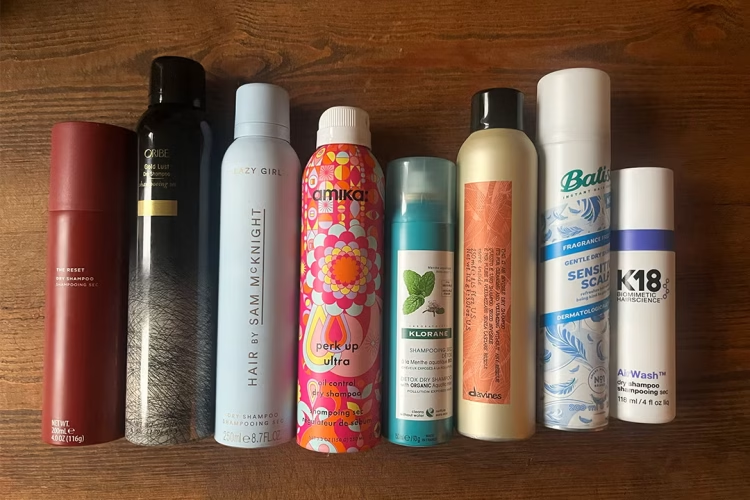
13. Hygiene & Health: Staying Clean, Feet, Skin, Teeth, Period, Injuries
Festivals are brutal on the body. Three or four days of walking 15km a day, limited sleep, irregular food, dehydration, sunburn, mud and shared surfaces take a toll. The good news is that most festival illness is preventable with sensible basics. Let me walk through what actually matters.
How do I stay hydrated at a festival?
Drink more water than you think you need. A good working rule for a UK festival day is 2.5–3 litres of water per day minimum, rising to 4+ litres if it’s hot or you’re dancing hard. The problem is that festivals actively work against hydration: alcohol dehydrates you, food is salty, the sun is relentless, and queues for water taps can be 15 minutes long.
The practical approach:
- Carry a refillable 1L water bottle everywhere. See best festival water bottle UK 2026 for collapsible and filtered options.
- Refill at free water taps on-site. All major UK festivals have free water taps in the arena and across campsites. Never buy bottled water; it’s £3 a pop and there’s no need.
- Start drinking before you feel thirsty. By the time you’re thirsty you’re already dehydrated.
- For every pint, match with a glass of water. Sounds like a cliché; it’s the actual playbook.
- Electrolytes are genuinely useful when you’re sweating heavily. Sports drinks work; so do rehydration sachets; so do dedicated electrolyte mixes.
The hydration & electrolytes reality
| Conditions | Estimated fluid loss (per hour) | Water intake target | Electrolyte need |
|---|---|---|---|
| Mild UK day (15–20°C, moderate activity) | ~300–500ml/hour | 2.5L across the day | Optional — food and drink typically cover it |
| Warm day (20–25°C, walking between stages) | ~600–800ml/hour | 3–4L across the day | Useful — add electrolyte sachet once daily |
| Hot day (25°C+, dancing 3+ hours) | ~1–1.5L/hour while active | 4–6L across the day | Essential — electrolyte sachet 2× daily |
| Hot day + drinking alcohol | Add 250ml water loss per pint | Match pint-for-pint with water | Essential, especially before bed |
| Hot day + dancing + alcohol | Cumulative dehydration risk | 5L+ water plus electrolytes | Essential; also consider a rehydration sachet before sleep |
Fluid loss figures are indicative, based on NHS and Sports Medicine Australia published guidance. Individual sweat rates vary significantly. Always respond to your own thirst and urine colour (pale straw = hydrated, darker yellow = drink more).
For an electrolyte product I regularly use at festivals, Lily & Loaf’s Electrolyte Drink is a naturally flavoured powder with a sensible balance of magnesium, potassium, sodium, zinc and vitamin C. A 300g tub gives 60 servings — enough for several festival weekends. Add a scoop to a litre of water and sip across the afternoon.
View the Lily & Loaf Electrolyte Drink. For a full wellness assessment including a sensible supplement stack for festival season, the Lily & Loaf lifestyle analysis quiz is free and takes about five minutes.
How do I stop my feet being ruined at a festival?
Festival feet are their own medical category. Four things prevent 90% of festival foot problems:
- Two pairs of socks per day, minimum. Change socks mid-afternoon if feet are wet or sweaty. Dry feet don’t blister, wet feet do.
- Pre-emptive Compeed on known hotspots. Apply blister plasters before the blisters form — the morning of the festival, on the back of the heels, sides of the toes, anywhere that’s rubbed in the past.
- Dry feet thoroughly before putting fresh socks on. Even 30 seconds with a microfibre towel makes a difference.
- Rotate footwear. Wellies for mud, trainers or walking boots for dry. Don’t wear wellies all day if you don’t need to — they’re sweaty and they rub.
If you do get a blister: don’t pop it (increases infection risk), cover with a Compeed hydrocolloid plaster, and rest the foot if possible. The plaster stays on for days and provides proper cushioning.
How do I protect my skin at a festival?
- Sun cream SPF 30+ on all exposed skin, reapplied every 2 hours when outdoors. UK festival sunburn is real — fair skin burns in 20 minutes of summer sun. Cover ears, back of the neck, the parting of your hair (genuinely — scalp sunburn is miserable), and the tops of feet in sandals.
- Lip balm with SPF. Chapped lips at festivals are standard; SPF lip balm prevents the burn on top of the chapping.
- Sunglasses. UV eye damage is cumulative and often not noticed.
- Hat. Sun hat for day, warmer hat for night. Your head loses heat fast.
- Moisturiser at night. Festival skin dries out from sun, wind and dehydration. A basic moisturiser (or aloe vera for sunburn) restores it.
- Makeup: keep it minimal. Full makeup doesn’t survive heat, sweat and festival dust. See festival beauty and makeup guide UK 2026 for looks that actually last.
The NHS sunburn guide is the authoritative source on prevention and treatment. Key point: severe sunburn with blistering or fever needs medical attention — don’t tough it out.
What should I put in a festival first aid kit?
You don’t need a paramedic kit. You need a small, focused kit that handles the six most common festival problems: blisters, headaches, dehydration, minor cuts, insect bites, and period emergencies. What to include:
- Paracetamol and ibuprofen (both — they work on different pain pathways, and alternating between them is more effective than doubling up on one)
- Compeed blister plasters (the hydrocolloid kind — stay on for days)
- Regular plasters in assorted sizes
- Antiseptic wipes (single-use sachets — useful for small cuts and scrapes)
- Hand sanitiser (already in your bum bag, but a spare in the kit is wise)
- Rehydration sachets (Dioralyte or similar) — for heavy drinking recovery and genuine gastro
- Anti-diarrhoea tablets (loperamide / Imodium) — festival gastro is real
- Antihistamines (non-drowsy) — hay fever, insect bites, minor allergic reactions
- Insect-bite cream (Anthisan or similar)
- Period products — tampons, pads, or menstrual cup; pack more than you think
- Tweezers — splinters, thorns
- Small scissors — for cutting blister plasters or tape to size
- Medical tape — ankle support, holding plasters in place
- Any personal prescription medication in original packaging, with extra days’ worth in case of travel delays
- Earplugs — also count as first aid after 2am
- A printed card with your name, emergency contact number, and any medical conditions / allergies that matter (lifesaver if you’re found unresponsive)
Our full first aid kit guide with specific product recommendations is at what to put in a festival first aid kit UK.
What is festival flu and how do I avoid it?
“Festival flu” is the catch-all name for the post-festival crash — sore throat, cough, fatigue, aches, sometimes genuine fever. It isn’t one specific illness; it’s a combination of immune system exhaustion (from limited sleep, alcohol, and physical stress), genuine viral infection (festivals are a mixing pot of respiratory viruses) and vocal cord strain from singing and shouting.
Prevention starts two weeks before the festival and continues through it:
- Two weeks before: Bank sleep. Eat properly. Take a multivitamin if you don’t already. Lily & Loaf’s Multi-Vitamins & Minerals are a sensible all-rounder for the run-up.
- During the festival: Hand sanitiser before every meal and after every toilet. Don’t share water bottles or drinks from the same rim. Try to get 5–6 hours of sleep per night minimum. Drink water.
- Magnesium for muscle recovery. Three days of dancing and walking take a toll. Magnesium supports normal muscle function and helps with recovery — Lily & Loaf’s Double Magnesium is the product I use for this, started a week before and continued into post-festival recovery.
- After the festival: Section 21 covers the full recovery protocol. Short version: sleep, hydrate, gentle food, skip the big night out on Monday.
If you feel genuinely unwell at a festival — fever, severe headache, confusion, chest pain, vomiting that won’t stop, signs of severe allergic reaction — go to the on-site medical tent immediately. They’re staffed by qualified medics, the service is free, and they will not judge you or call the police regardless of what you’ve taken or drunk. Early intervention prevents day-three crises.
How do I manage my period at a festival?
Festivals don’t care about your cycle. Three strategies work:
- Plan ahead. If you know your period is likely to fall on the festival, pack for it. Three days’ worth of products for a long festival means 25–30 tampons, pads, or equivalent.
- Consider a menstrual cup. Single cup, reusable, lasts 12 hours, doesn’t need changing mid-arena. The learning curve is real (practice at home), but once mastered it’s transformative for festival use. Soft-disc alternatives work similarly.
- Ask your GP about rescheduling. If your festival clashes with your period and the combined pill or progestogen-only pill is an option for you, a short-term continuous regimen can delay it. Do this at least two cycles in advance.
Practical tips: pack wet wipes in the bum bag for discreet changes; never flush anything into long-drop or compost toilets — bag and bin; carry a small hand sanitiser specifically for post-change use. The full deep-dive is at festival period tips UK 2026.
What about dental hygiene at a festival?
Two minutes of brushing, twice a day, is the minimum. Use a small travel toothbrush and a small tube of toothpaste. Rinse with bottled or tap water — never the festival tap water unless it’s specifically labelled drinking water. Dental pain at a festival is excruciating and avoidable.

14. Food & Water
Food at festivals has improved massively over the last decade. Gone are the days of greasy burger vans as the only option — modern UK festivals have serious food-truck line-ups, genuine vegan options, and some of the best street food in the country. The downside is pricing. A proper hot meal at any major UK festival in 2026 is £10–£15, a pint is £6–£7, a decent coffee is £4. Four days of buying everything on-site runs to £200–£300.
Can I bring my own food to a UK festival?
Almost always, yes — for the campsite. Most major UK festivals explicitly permit “reasonable quantities for personal consumption” brought into the campsite. The arena is a different matter — most festivals ban outside food and drink from the main arena, with a few exceptions (sealed bottled water typically allowed; baby food allowed; special-diet items where the festival’s vendors can’t cater).
Always ban-listed everywhere: glass (bottles, jars), open fires, disposable BBQs, gas canisters beyond the camping stove allowance, fireworks, flares, drones.
Common festival-specific rules:
- Glastonbury — generous with campsite food/alcohol; arena has its own food scene.
- Reading & Leeds — campsite food fine; arena restricted to sealed water.
- Creamfields — cashless, card-only arena; campsite food/drink with normal limits.
- Camp Bestival — generous with family food; kids’ meal vouchers and family-specific vendors.
Our full bring-your-own-food guide is at can you bring food into a festival UK.
What should I bring to eat at a festival?
The self-catering shopping list for a weekend festival, sized for two people:
| Category | Item | Quantity | Notes |
|---|---|---|---|
| Breakfast | Porridge pots or sachets | 6 | Just add hot water |
| Breakfast | Bananas | 6 | Survive better than apples |
| Breakfast | Cereal bars | 12 | Grab-and-go backup |
| Lunch | Bread loaf | 1 | Or wraps (keep better) |
| Lunch | Hard cheese (cheddar) | 250g | Keeps well unrefrigerated for 48h |
| Lunch | Cured meat (salami, chorizo) | 200g | Doesn’t need a fridge |
| Lunch | Tuna / mackerel tins | 4 | Ring-pull varieties |
| Lunch | Mayo and mustard sachets | 10 each | From any sandwich shop |
| Lunch | Apples, oranges | 6 mixed | Oranges are surprisingly durable |
| Snacks | Crisps (multipack) | 2 packs | Salt helps with electrolytes |
| Snacks | Trail mix / nuts | 500g | Dense calories |
| Snacks | Biscuits | 1 pack | Tea’s best friend |
| Snacks | Chocolate | 4 bars | Keep cool — melts |
| Drinks | Tea bags | 20 | Morale-restoring |
| Drinks | Instant coffee sachets | 10 | Or bring a bag |
| Drinks | Squash / cordial | 1 small bottle | Makes tap water drinkable |
| Drinks | Electrolyte sachets | 6 | One per day, more if hot |
| Emergency | Pot noodles | 4 | Life-saving at 2am |
| Emergency | Pre-cooked rice pouches | 2 | Works cold if needed |
| Emergency | Baked beans (ring-pull) | 2 tins | Classic festival breakfast |
Total cost from a supermarket: around £40–£60. Compare to the £200+ you’d spend buying all meals at the arena. Mix in one paid food-truck meal per day (£10–£15) for variety and morale, and you’ve halved your food budget while eating better.
Do I need to bring a cool bag or cool box?
Worth it for 24 hours of keeping things cold, not worth it for a full weekend. A £15 soft cool bag with two freezer blocks will keep cheese, butter and cured meats safe for the first day. After that, everything’s ambient temperature. Plan your meal order around this — eat the perishable stuff early, save tinned and dry food for day three.
For festivals where fridges are permitted and you’re bringing proper food (Camp Bestival family camping, some accessibility camping areas), a portable power station running a small 12V fridge is transformative — Section 9 covers the EcoFlow River 2 Max and Delta 2 models that handle this. For most festival-goers, it’s overkill.
What are UK festivals like for vegetarians and vegans?
Excellent. UK festivals in 2026 are among the most plant-based-friendly large-scale events in the world. Every major UK festival has dedicated vegan stalls, and most mixed vendors offer genuine vegan alternatives (not just “chips”). Green Man, Latitude and Glastonbury are particularly strong; Download and Creamfields have caught up significantly in recent years.
For self-catering vegans:
- Porridge sachets with oat milk powder
- Wraps with hummus and roasted vegetables (hummus keeps 24h, then bin)
- Tinned chickpeas or lentils for protein
- Vegan cheese alternatives (Violife, Vitalite) that don’t need refrigeration as long as sealed
- Nut butters in squeezy pouches
- Vegan protein bars as snacks
How much does food cost at a UK festival?
Typical 2026 UK festival food prices:
- Bacon or sausage roll (breakfast van): £6–£9
- Coffee (basic): £4
- Specialty coffee (flat white etc.): £4.50–£5
- Pint of lager: £6.50–£7.50
- Cider pint: £6.50–£7
- Soft drink (can): £3–£4
- Bottled water (500ml): £2.50–£3.50
- Hot meal from food truck (pizza, burger, noodles): £10–£15
- Premium hot meal (proper street food, stone-baked, steak): £15–£20
- Chips as a side: £5
- Ice cream / dessert: £4–£6
A day of “buy everything from the arena” for a couple adds up to around £100–£140. Three days of that is most of a £500 festival budget consumed by food alone. Self-catering two meals a day and buying one from a food truck cuts that in half.

15. The Music Itself: Getting the Best From the Stages
The single biggest mistake I’ve seen experienced festival-goers make is treating the lineup like a checklist — “I need to see X, Y and Z” — and then running themselves into the ground by Sunday. The festival lineup is a buffet, not a tasting menu. Pick your favourites, leave room for discovery, and skip the acts everyone else is seeing just because they’re popular.
How should I plan my festival schedule?
The approach that’s worked for me across thirty-plus festivals:
- Before the festival: Read the full lineup carefully. Mark everyone you’d actively seek out (tier 1), everyone you’d see if convenient (tier 2), and everyone you’d wander past (tier 3). Most people have 3–8 tier 1 acts across a weekend and 15–25 tier 2 acts.
- Check for clashes. The festival app or a clash-finder tool helps. Tier 1 clashes need a decision in advance, not at the last minute.
- Leave gaps. Don’t schedule yourself 10 acts a day. 5–7 is realistic. The rest of the day is walking between stages, eating, resting, discovering.
- Go early for tier 1. The band you’ve been obsessed with for three years deserves 30 minutes early at the stage. Don’t try to squeeze them in while rushing from another stage.
- Go late for discovery. Walking past a stage and being grabbed by a band you’ve never heard of is half the fun of festivals. Don’t over-schedule — leave room for this.
- Headliners aren’t always the best act of the day. Sometimes the 6pm Other Stage slot is where the real magic happens. Some of my favourite festival memories have been mid-afternoon acts, not the closers.
Where should I stand in the crowd?
Depends entirely on what you want from the set.
| Position | Experience | Sound quality | Best for | Avoid if |
|---|---|---|---|---|
| Front row / barrier | Maximum intensity, artist connection, possible contact with the act | Variable — speakers often above and behind you | Die-hard fans of a specific act; big moments you’ll remember forever | You don’t want to be crushed; you have any claustrophobia; you’re planning to leave partway through |
| Second row / within 3–5 metres of barrier | Very intense, good visibility, dense crowd | Similar to front row | Big fans who want close but not barrier; mosh pit regulars | You want to actually breathe |
| Middle of crowd | Party zone, singalong central, heavy mosh potential for rock shows | Middling — often echoey | Socialising with mates, dancing, general-admission energy | You want to hear the music properly; you need a clear exit |
| Side of stage (stage right or left, towards sound desk) | Best audio, often the band’s own preferred monitoring position | Excellent — this is where the sound engineer stands | Audiophiles, hearing the mix as intended, and still being close enough to see | You want to be in the pit energy |
| Back / edges | Relaxed, easier to leave, clear sight lines via big screens | Good — you’re outside the PA mud | Parents with kids, over-30s, anyone needing to leave mid-set, people with mobility issues | You want to be part of the crowd energy |
One genuine veteran tip: the sweet spot for most festivals is 20–30 metres back from the barrier, slightly off-centre. Sound is better than front, visibility is excellent, the crowd is energetic but not crushing, and you can leave when you need to.
How do I protect my hearing at festivals?
Permanent hearing damage is cumulative. The exposure to 100+ decibel sound levels for hours across a festival weekend, year after year, genuinely damages hearing — you may not notice until your 40s or 50s, and by then it’s irreversible.
The fix is simple: wear high-fidelity earplugs at every live set. These aren’t the foam plugs from a pharmacy — those muffle everything and ruin the music. High-fidelity earplugs (Loop, Alpine, Eargasm, Etymotic) reduce volume by 15–25 decibels while preserving the frequency balance of the music. You hear everything clearly, just at safe levels.
Good for £25–£40, reusable for years, transformative if you care about hearing long-term. Our full ranked roundup is at best earplugs for concerts and festivals UK 2026. (The Loop Experience hero card sits in Section 23 — the consolidated gear recommendations.)
Should I push to the front for the headliner?
Only if you’re genuinely a superfan and prepared for the reality of the front row. The front row at a major UK festival headliner means:
- Arriving 90+ minutes early and staying in position
- No toilet breaks during that window
- Limited food and water
- Dense crowd pressure (you will not be able to move freely)
- Sound that’s often worse than further back (speakers above and beside you)
- Minimal exit options if you need to leave
For the vast majority of headliner experiences, 20–50 metres back delivers a better overall experience — good sound, manageable crowd, you can see the screens as well as the stage, and you can leave when you’re done. Save the barrier for the one act that defines the weekend for you.
How should I pace myself across a multi-day festival?
Front-loading kills festivals. Going hard on Friday, harder on Saturday, hardest on Sunday is the rookie move — by Sunday evening you’re destroyed and missing the closing headliner. The sustainable model:
- Day 1 (Wednesday / Thursday arrival): Low-key. Pitch, walk the site, eat, early bed. No alcohol or very limited.
- Day 2 (Friday): Moderate. Good main-stage acts, early-ish bed (2am-ish). Pace alcohol.
- Day 3 (Saturday): Full throttle. The big headliner, the hardest acts, the late night. This is where you spend the energy reserve.
- Day 4 (Sunday): Slow start, big closing night. Don’t overcommit to early-afternoon acts if you’re wrecked — sometimes the right call is a 2-hour nap after lunch.
- Day 5 (Monday morning / departure): Pack, drink water, eat, leave. Don’t drive home hungover.
An afternoon nap at the tent is not a weakness — it’s a strategy. The people still dancing at 3am on day three are usually the ones who napped from 2–4pm.

16. Drug Safety (Harm Reduction)
I’m not going to lecture you and I’m not going to pretend drugs don’t happen at festivals. They do. The UK Home Office drug classification system treats many substances as Class A offences with serious legal consequences; the Misuse of Drugs Act 1971 is real and possession charges are real. But people use drugs at festivals anyway, and the single biggest factor in whether that results in a good night or a hospital visit is preparation and harm reduction.
If you or someone you’re with is going to use, the rules below are written to keep you alive and out of the medical tent. If you’re not using but might be around people who are, the same information helps you spot problems early.
What is The Loop and do they drug-check at UK festivals?
The Loop is the UK’s Home Office-licensed drug checking charity. They operate at some UK festivals (Parklife, Boomtown, Secret Garden Party and others have partnered historically) running “back of house” drug testing — they analyse substances that have been handed in to amnesty bins or seized, and issue public alerts when they find dangerous substances or mis-sold pills circulating. They also run community drug-checking services in Bristol and other cities.
If you’re at a festival where The Loop is present, check their on-site noticeboards and social media for alerts — they publicly warn about pills containing dangerous doses, PMA/PMMA (which has killed people at UK festivals), and substances mis-sold as something else. Their Twitter/X account (@WeAreTheLoop) is worth following during festival season.
The Loop’s website: wearetheloop.org.
UK drug law basics
| Class | Examples | Possession penalty (maximum) | Supply penalty (maximum) |
|---|---|---|---|
| Class A | Cocaine, MDMA, ecstasy, heroin, LSD, magic mushrooms, crystal meth | Up to 7 years in prison + unlimited fine | Up to life in prison + unlimited fine |
| Class B | Cannabis, ketamine, amphetamines, codeine | Up to 5 years in prison + unlimited fine | Up to 14 years in prison + unlimited fine |
| Class C | Benzodiazepines, GHB, anabolic steroids | Up to 2 years in prison + unlimited fine | Up to 14 years in prison + unlimited fine |
Source: gov.uk drug possession penalties. Penalties are maximums; real-world sentences depend on circumstances. At UK festivals, police presence and sniffer dogs are standard at gates. Amnesty bins at entry points allow drugs to be disposed of anonymously without prosecution.
Harm reduction rules — if you or someone you know is using
- Never use alone. The single biggest risk factor for fatal drug reactions is being alone when something goes wrong. Always have someone with you who knows what you’ve taken and can get help.
- Start with a tiny test dose. Half a pill, not a whole one. A bump, not a line. Give yourself 60–90 minutes to feel the effect before considering more. Many ecstasy overdoses happen because people redose too early thinking “this isn’t working.”
- Never mix drugs. Ecstasy + alcohol, cocaine + ketamine, any uppers + downers — combinations multiply risk. Stick to one substance at a time if any.
- Stay hydrated — but not over-hydrated. The danger on MDMA specifically is hyponatraemia (water intoxication) as well as dehydration. The guidance is around 500ml of water per hour if dancing actively, less if resting. Don’t chug litres in panic.
- Take breaks from dancing. Sit down every hour. Cool down. Check on your mates. Festival medical tents see a lot of heat-stroke cases that started as “I was fine.”
- Know what’s in it. Unregulated drug markets mean pills and powders are frequently not what they claim. The Loop’s alerts cover dangerous batches circulating.
- Don’t drive for at least 24 hours after use — longer for some substances. UK drug-driving law uses blood tests and you can fail a test days after use.
What do I do if a friend is having a bad trip or overdose?
- Stay with them. Do not leave them alone, even to “get help” — take them with you, or get someone else to fetch help.
- Move them to a quiet, cool, safe area. Away from crowds, loud noise, heat.
- Go to the welfare tent or medical tent immediately. Both are on every major UK festival map. They are specifically there for this. They are free. They do not report to police for drug cases.
- Tell medical staff honestly what’s been taken. Lying or hiding information makes it harder to treat — and they’ve seen it all, they’re not judging.
- If the person is unconscious or not responding, put them in the recovery position and get medical help urgently. Call for the nearest steward — every steward has a radio to medical.
- Signs to go to medical immediately: loss of consciousness, seizures, chest pain, very high body temperature, confusion that’s getting worse, inability to keep water down, breathing difficulty, blue lips or fingertips, hallucinations that are distressing.
Welfare tents — what are they and when should I use them?
Every major UK festival has a Welfare Tent — a free, confidential, non-judgemental support service staffed by trained volunteers, typically open 24 hours. They handle:
- Bad trips and drug-related anxiety
- Panic attacks and acute stress
- Welfare checks on vulnerable or intoxicated people
- Drink spiking concerns
- Gender-based harassment or assault support
- Lost or distressed attendees
- General “I’m not okay and don’t know what to do” situations
Welfare tents do not call police for drug-related issues. Their remit is safety, not enforcement. Use them. They exist because every UK festival has decided that having people get help is more important than the stigma of asking for it.
Where can I get confidential UK drug advice?
- Talk to FRANK — UK government drug advice service. Free, confidential, 24/7 helpline on 0300 123 6600. Website covers every substance with honest information.
- Release — drugs and drug law information, including a legal helpline if you or someone you know has been arrested.
- Crew — harm reduction service covering Scotland specifically.
- Samaritans — 24/7 emotional support on 116 123 if you’re in crisis. Confidential.
- Mind — UK mental health charity, guidance on drug-related anxiety, depression and psychosis.
- The Loop — drug checking service and public alerts.
17. Weather Scenarios: Heatwave, Rain, Mud, Cold Nights, Wind
The UK weather will test you. I have pitched in 30°C heatwaves at Download, I have been genuinely hypothermic at a September festival, I have spent Glastonbury 2016 navigating actual quicksand mud. The only constant is that the forecast you checked the week before is rarely the weather you get. Let me walk through each scenario and the specific response.
UK festival weather by month — the reality
| Month | Typical high | Typical low | Rain days / month | Likely conditions | What it means for packing |
|---|---|---|---|---|---|
| May | 15–17°C | 5–9°C | 10–12 | Cool, changeable, occasional warm spells | Pack for cold nights; waterproof essential; layers |
| June | 18–20°C | 8–11°C | 8–11 | Warming up but cool overnight; 5–8 dry days | Sun cream AND waterproof; 3-season bag |
| July | 21–23°C | 11–14°C | 8–10 | Warmest month on average; occasional heatwaves | Hot-weather kit but pack warm layers anyway |
| August | 20–22°C | 10–13°C | 8–11 | Variable; late-August storms common | Full-spectrum packing; waterproof mandatory |
| September | 17–19°C | 7–10°C | 10–12 | Cool, wet, short days | Cold-weather sleeping kit; full waterproofs; hat and gloves for evening |
Source: Met Office UK climate averages 1991–2020 baseline. Regional variation is significant — Welsh and Scottish festivals are typically 2–3°C cooler than south-coast festivals on the same day, and mountainous locations have their own microclimates.
Heatwave scenario — 25°C+ days
Rare at UK festivals but increasingly common. A genuine heatwave at Reading, Latitude or Download creates specific risks:
- Dehydration: sweat loss doubles or triples. At 25°C+ follow the top end of the Section 13 hydration table (4L+ water per day).
- Sunburn and heatstroke: SPF 30+ reapplied every 2 hours. Hat, sunglasses, cover shoulders when possible. Watch for early heatstroke signs — confusion, nausea, stopping sweating, very fast pulse. Go to medical immediately if anyone shows these.
- Tent saunas: tents become 40°C+ in afternoon sun. Pitch in shade if possible; leave both doors and vents open during the day; come back in the evening to cool air rather than a greenhouse.
- Sleep difficulty: our how to sleep in a tent when it’s hot UK guide covers specific techniques — wet flannel on forehead, sleeping with damp clothes, hand-held fan.
- Food safety: anything that would normally go in a fridge shouldn’t sit at 25°C+ for long. Eat perishables early; stick to non-perishables after 24 hours of heat.
Rain and mud scenario — the classic British festival
The scenario your gear should be optimised for. Rain is almost certain on at least one day of any UK festival; mud is a cumulative consequence. Our full guide is at what to do if it rains at a festival UK. The practical protocol:
- Waterproof jacket on at first hint of rain. Don’t wait for it to be properly raining. Cotton gets wet and stays wet.
- Change into dry socks and clothes at the first opportunity after getting wet. Hypothermia risk starts at surprisingly mild temperatures when wet.
- Wellies on for anything beyond dewy grass. Once the ground is wet, trainers become mud magnets.
- Keep a dry bag of spare clothes in the tent — sealed against rain seepage — as your safety net.
- Check tent guy ropes and pegs after rain; wet ground loosens pegs and slackens ropes.
- Move valuables to higher ground inside the tent if flooding is a risk.
- If your tent floods, move to a higher pitch if one’s available. If not, bin bags over sleeping bags as a last resort.
Cold night scenario
UK festival nights can drop to 5–7°C even in June and July. September festivals can see frost. Cold nights ruin sleep, which ruins the next day. The protocol:
- 3-season sleeping bag minimum (Section 7). Don’t underbuy.
- Sleeping mat with R-value 2.5+ — cold ground steals more heat than cold air.
- Clean dry sleep clothes. Change fully before bed; wet or sweaty clothes chill you.
- Beanie. You lose significant heat through your head. Wearing a warm hat to bed is the single most effective cold-sleep fix.
- Hot drink before bed. Raises core temperature; gives you a 30-minute heat bank to fall asleep in.
- Eat before bed. Digestion generates heat. A small snack before sleep helps.
- Tuck everything in. Zip the bag fully; pull the hood drawcord; tuck in the draft collar.
- Hot water bottle. Old-school but transformative. Fill a metal drinks bottle with hot water, wrap it in a t-shirt, put it at the foot of the bag 10 minutes before you get in.
Wind scenario
Wind is the underrated festival weather threat. 40mph gusts, which are not unusual at UK festivals, will destroy a poorly-pitched tent. The defence is pitching right:
- Pitch door away from prevailing wind. Covered in Section 11.
- Every guy rope deployed, every peg in. No shortcuts.
- 45° peg angle, pointing away from tent. Maximum pull resistance.
- Heavy-duty pegs for soft ground. Cheap pegs that come with £60 tents bend under load. A £6 pack of steel pegs is worth having.
- If wind is forecast to exceed 40mph, reinforce with additional guy ropes. Some tents have optional peg points for bad weather — use them all.
- If wind genuinely exceeds 50mph, the honest answer is your tent may not survive. Stay low inside, and if poles snap evacuate to a building on-site (most festivals have shelter structures near medical tents).
Screenshot this section for offline reference. I’ve bundled the whole guide into a free printable PDF — works when your signal dies and your battery’s at 3%. Grab a copy before you head off.
The hero wellies — Dunlop Pricemastor
The Dunlop Pricemastor is the most-bought budget festival welly in the UK for a reason: it’s under £20, it’s 100% waterproof, and it does the one job a festival welly needs to do. It’s not pretty. It’s not Hunter. But for £15–£20, it’s the right call for most first-timers.

Dunlop Pricemastor Wellington Boots (Unisex)
- Style: Knee-high unisex wellington boot
- Upper and sole: Robust PVC, single-piece moulded construction
- Waterproofing: 100% — no seams to fail
- Certification: CE certified, chemical resistant
- Outsole: Oil-resistant, deep-tread grip for mud
- Calf fit: Generous — fits jeans tucked in, room for thick socks
- Sizes: UK 3 through UK 13 (EU 36–48), black or green
- Lining: None (single-layer PVC)
- Weight: Approximately 1.2–1.5kg per pair
Best for: First-timer festival-goers, budget-conscious regulars, anyone who doesn’t want to lose £100 wellies to festival carnage.
My take: These are the wellies I actually recommend to most people. Hunter and Joules make beautiful wellies; the Dunlop Pricemastor makes wellies that keep your feet dry for the price of a round of drinks. Honest watch-outs: they’re not insulated — your feet can get cold at September festivals, solve with two pairs of socks. The sizing runs slightly large; most reviewers recommend sizing down half a size. And they’re not fashion — these are working-class farmer wellies in a festival field. But if you need wellies that won’t rub after a day, will survive mud up to the knees, and won’t bankrupt you if they split in year three, this is the pick. For premium/fashion alternatives see our full ranked wellie guide; for the Hunter deep-dive see are Hunter wellies worth it for festivals.
How do I prepare for unpredictable UK festival weather?
Pack for every scenario every time. Your festival bag should always contain, regardless of the forecast: a waterproof jacket, wellies, a 3-season sleeping bag, a fleece or hoodie, sun cream and sunglasses, a hat for cold and a hat for sun, and spare dry clothes in a sealed bag. The forecast can change between the moment you leave home and the moment you arrive. Once you’re on-site, shops are expensive, stocks are limited and queues are long — whatever you forgot, you can’t easily fix.
18. Archetype-Specific Guides: Solo, Family, Disabled, Over-30s, First-Timer, Budget
I’ve touched on archetypes throughout this guide. This section pulls them together. Nobody fits perfectly into one category — a 35-year-old solo female first-timer on a budget is a real person, and she should read four of the sections below. Apply what’s useful, skip what isn’t.
| Archetype | Key considerations | Gear differences | Top tip |
|---|---|---|---|
| First-timer | Overwhelm, logistics, confidence | Start with simpler kit; don’t overbuy | Go with someone experienced if possible; a familiar face transforms day one |
| Solo attendee | Safety, social, making connections | Smaller tent; secure valuables essential; emergency contacts saved | Join Facebook groups pre-event; find solo meet-ups on-site |
| Solo female | Safety, confidence, location choice | Consider solo female-friendly festivals (Latitude, Green Man) for first time alone | Trust your instincts; welfare tents are specifically trained for solo female attendees |
| Family with children | Kid-friendly facilities, early bedtimes, food, safety | Larger family tent; more food from home; earlier departure; kids’ hearing protection | Wristband with parent phone number on every child, every day |
| Disabled attendee | Access planning, accessible camping, companion tickets | Often requires booking 3+ months ahead; medical equipment considerations | Contact festival access team 3 months before the festival |
| Over-30s veteran | Sleep quality, recovery, pacing | Invest in better kit; self-catering; minimum 6 hours sleep per night | Come home for a night between multi-day festivals; don’t chain them |
| Budget-conscious | Volunteering, smaller festivals, self-cater everything | Bring your own food; share costs with group | Volunteering gets you in free and usually better-fed than paying attendees |
First-timers: the essentials
The single biggest thing you can do as a first-timer is go with at least one experienced festival-goer. A veteran can cut through logistical panic in three minutes. If that’s not possible, pick an easy festival for your first — Latitude, Camp Bestival, Green Man, Isle of Wight. Avoid Boomtown, avoid any festival with capacity over 80,000 for your first.
- Pitch your tent at home first. The afternoon before you leave. If you can’t do it in your garden, you can’t do it at midnight in a field in the rain.
- Read our best UK festivals for first-timers 2026 guide. It ranks the easiest starter festivals with specifics on why each suits someone new.
- Also see best UK festivals for first timers complete beginner’s guide for the longer version with packing specifics.
- Expect to feel overwhelmed on day one. Everyone does. It gets better by day two.
- Don’t try to do everything. Pick three or four acts you really want, and let the rest happen.
Solo festival-goers
Going alone to a festival can be transformative. You make more connections (because you’re not in a group bubble), you see what you actually want to see, and you come back with better stories. It’s also intimidating the first time. The playbook:
- Join Facebook groups and forums for your festival before you go. Most have “solo traveller” threads.
- Pitch near other solo campers. Many festivals have solo camping sections; if not, look for single tents pitched alone and ask.
- Be open to conversations. Solo festival-goers are famously more sociable because they have to be.
- Set your own pace. You don’t have to follow anyone’s schedule.
- Know where your tent is. With no group to ask, you’re on your own at 2am.
- Our full guide: solo festival tips UK 2026.
Solo female festival-goers
Women going solo face additional considerations. This deserves its own section.
- Festival selection matters. Latitude, Green Man, End of the Road, Camp Bestival and Wilderness are widely regarded as particularly welcoming to solo female attendees. Boomtown, Reading and large dance festivals require more situational awareness.
- Camping location matters. Family camping zones (where available) are the safest option for solo female pitchers. Avoid pitching at the far edges, in isolated corners, or immediately next to groups of men you don’t know.
- Share your location with someone at home via WhatsApp live location.
- Ask for Angela — this UK-wide scheme, widely adopted at UK festivals and bars, lets you approach any bar or welfare staff and ask for “Angela” as a code phrase to discreetly request help.
- Cover your drink with your hand or a drink cover. Drink spiking is unfortunately a real ongoing issue.
- Trust your instincts. If something feels wrong, it is. Welfare tents are trained in exactly this situation.
- Our full guide: solo female festival tips UK 2026.
Families with children
Family festivals are a different sport. Camp Bestival, Latitude and Wilderness are the UK leaders — dedicated family camping areas, kids’ activity zones, earlier set times for family-friendly acts, proper child-appropriate facilities.
- Book family camping when you book tickets. Quieter zones, earlier noise cut-offs, policed for adult behaviour.
- Wristband each child with a contact number and parent’s name every day. Waterproof ones last better than paper.
- Agree meeting points with older children in case you separate.
- Ear defenders for children. Kids’ hearing is more sensitive. Muffs (not plugs) are standard.
- Pack more food and snacks than you think. Kids’ meltdowns at festivals are 70% hunger or tiredness.
- Sun cream, reapplied constantly. Kids burn fast.
- Plan an early exit. Families often leave Sunday morning rather than fighting Monday traffic.
- Our full guide: festival with kids UK 2026. For the best festivals for families, see best UK festivals for families 2026. Camp Bestival deep-dive: Camp Bestival 2026 guide.
Disabled festival-goers
UK festival accessibility has improved substantially in the last decade, but quality varies. Glastonbury, Latitude and Camp Bestival lead the field; some smaller boutique festivals still struggle.
- Contact the festival’s accessibility team 3 months before the festival at minimum. Many access requests (companion tickets, accessible camping pitches, medical fridge for insulin, etc.) require advance booking and documentation.
- Most major UK festivals provide a free Personal Assistant / Companion ticket if you have a Disabled Person’s Railcard, PIP, DLA or similar evidence.
- Accessible camping is available at every major UK festival — hard-standing, accessible toilets and showers, mobility scooter charging, quieter atmosphere, proximity to medical.
- Viewing platforms with wheelchair/seating access are standard at major stages.
- Medical equipment allowances — CPAP, insulin pumps, oxygen concentrators — need advance notification. This is where a portable power station like the EcoFlow River 2 Max or Delta 2 becomes essential — running a CPAP overnight requires reliable power that most festivals can’t provide in general camping.
- Our full accessibility deep-dive: festival for disabled people UK 2026.
Over-30s veterans
Something shifts around 30–35. The things you got away with at 22 start to cost more than they’re worth. Over-30s festival-goers who still love festivals do it differently — better kit, better sleep, better food, sensible pace.
- Spend money on sleep. Proper mat, proper bag, proper pillow. Biggest change.
- Self-cater more. Real breakfast from your own stove is better than a £9 hash-brown roll.
- Take rest hours seriously. Afternoon nap at the tent is legitimate.
- Magnesium, electrolytes, and a supplement stack matter. Lily & Loaf’s Double Magnesium supports normal muscle recovery.
- Plan for post-festival recovery. Take the Monday off work.
- Choose festivals that suit your energy. Latitude, Green Man, End of the Road are over-30s heartlands.
- Our full guide: festival tips for over 30s UK 2026.
Budget-conscious festival-goers
Doing a UK festival for under £200 all-in is entirely possible. The ladder of savings:
- Volunteer for free entry (Oxfam, Hotbox, Festaff). Biggest single saving.
- Pick a smaller festival. £100–£140 tickets exist; best budget UK festivals 2026 has the list.
- Coach travel rather than train or petrol.
- Self-cater 90% of meals. One paid meal a day maximum.
- Bring your own alcohol within festival allowance.
- Skip arena merch. A £35 t-shirt is a £35 t-shirt.
- Borrow kit rather than buying.
- Our full guide: festival on a budget UK.
19. UK Festival Deep-Dives
Glastonbury Festival — the full experience
Glastonbury is the UK’s biggest festival: ~210,000 attendees, 900 acres of Somerset farmland, 80+ stages, five days of camping. Worthy Farm, Pilton, Somerset, typically last weekend of June. 2026 is a fallow year so there is no Glastonbury in 2026. The next Glastonbury is scheduled for late June 2027.
What makes Glastonbury different:
- Scale. A small city built in a field. Walking between stages can take 30+ minutes. You’ll cover 15–20km a day.
- Registration-based ticketing. Every attendee must be registered with a photo at glastonbury.seetickets.com/registration/register.
- The variety. Pyramid Stage gets the attention, but the Park, Shangri-La, Block9, Arcadia, the Stone Circle, theatre and circus, and healing fields are all festivals within a festival.
- Weather is part of the experience. Glastonbury has seen everything from 30°C heatwave to 2016-level mud. Pack for both.
- No day tickets. Weekend or you don’t come.
- Under-12s go free and don’t need registering.
Practical Glastonbury tips:
- Arrive Wednesday morning for the best pitches and the full experience.
- Pitch high. Worthy Farm is hilly; water runs downhill. Tents at the bottom of slopes risk flooding.
- Pack a larger power bank than you think — a five-day festival needs more. See best power bank for Glastonbury 2026.
- The early morning (5–9am) is magical. The Stone Circle at sunrise converts people into lifelong attendees.
- You will get lost. Even veterans do. Bring the printed map; agree meeting points.
- Glastonbury coach tickets drop you at the on-site coach park, closer to main campsites than car parks.
For the full deep-dive: Glastonbury Festival 2026 complete survival guide. Packing: Glastonbury packing list. Sleep: how to sleep at Glastonbury. Tickets: how to get Glastonbury tickets. Sleeping bag: what sleeping bag do I need for Glastonbury. Jacket: best waterproof jacket for Glastonbury.
Reading Festival — UK’s longest-running major
Reading Festival takes place at Richfield Avenue, Reading, over the late-August bank holiday weekend. Capacity around 105,000. Same lineup as Leeds (alternating headliners). Rock and indie roots, increasingly mainstream hip-hop and pop. 2026 headliners include Charli XCX, Chase & Status, Dave, Florence + the Machine, Fontaines D.C. and RAYE.
What makes Reading different:
- The rite-of-passage crowd. Heavy post-A-level contingent, 16–20 demographic dominant, first-festival energy throughout.
- Urban-adjacent location. Walk to Reading town centre is 30 minutes. Trains direct to London.
- Dual-site format. Same lineup as Leeds, alternating headliners.
- Weekend camping 2026: approximately £325.
Practical Reading tips:
- Train is often the best option because Reading station is walkable (20–25 min). Book 12 weeks out.
- Arrive Wednesday for good pitches — Reading fills fast.
- The colour-coded campsites each have different characters; check the map.
- Main stage fills 60–90 minutes before headliners — plan accordingly.
For the full deep-dive: Reading Festival 2026 complete guide. Packing: Reading Festival 2026 packing list.
Leeds Festival — Reading’s northern twin
Leeds Festival takes place at Bramham Park, West Yorkshire, same August bank holiday weekend as Reading, same lineup on a split-headliner rotation. Capacity around 85,000. Weekend camping ticket 2026 approximately £325.
What makes Leeds different from Reading:
- Rural setting vs Reading’s urban-adjacent Richfield Avenue.
- Slightly smaller capacity — less crowded in practice.
- Train to Leeds + shuttle bus is the standard arrival route.
- Weather tends to be cooler by 1–2°C on average.
For the full deep-dive: Leeds Festival 2026 complete guide. Packing: Leeds Festival 2026 packing list.
Download Festival — UK’s rock and metal home
Download is held at Donington Park, Leicestershire, typically mid-June. Capacity around 110,000. UK’s biggest rock and metal festival. 2026 runs June 10–14 with Guns N’ Roses, Linkin Park and Limp Bizkit headlining. Full weekend tickets approximately £330–£365.
What makes Download different:
- Music focus is tight. Rock, metal, punk, alternative.
- Crowd is friendly and community-minded. Mosh pits are more civil than their reputation suggests.
- Family Arena exists for parents bringing kids.
- Donington Park is a motor circuit — flat, good for pitching.
- Merch queues are famous. Arrive early if you want a specific t-shirt.
Practical Download tips:
- Camping opens Wednesday.
- Weather tends cool — mid-June in the East Midlands is not Spanish summer.
- The Village is the central food court area.
- Protect your hearing. Download is loud. High-fidelity earplugs are not optional here.
For the full deep-dive: Download Festival 2026 complete guide. Packing: Download Festival 2026 packing list.
Creamfields — UK’s dance and electronic home
Creamfields takes place at Daresbury, Cheshire, over the late-August bank holiday weekend. Capacity around 80,000. UK’s biggest dedicated dance and electronic festival. 18+ only. Standard camping tickets approximately £260+.
Set times run later (stages typically open noon, big sets 9pm–3am). Dedicated dance stages by genre, proper sound systems, chill-out zones.
- Hearing protection is essential. Sound levels very high.
- Hydration discipline matters more than at other festivals. Dancing for hours in heat without drinking = hospital.
- Sleep in a different rhythm — festival day starts at noon, bed around 4am.
- No under-18s.
For the full deep-dive: Creamfields 2026 complete guide.
Latitude Festival — the all-rounder
Latitude takes place at Henham Park, Suffolk, in mid-July. Capacity around 40,000. Mixed-genre with a distinctly arts-led and literary character — comedy, spoken word, theatre, dance alongside music. Weekend camping tickets around £320.
UK’s best-regarded mid-sized festival for families, over-30s, first-timers, and anyone wanting a gentler, more curated experience. Features a lake (yes, with swimming), coloured sheep (yes, really), a renowned Kids Area.
For the full deep-dive: Latitude Festival 2026 guide.
Green Man Festival — independent folk / indie / electronic
Green Man takes place at Glanusk Park in the Brecon Beacons, Wales, mid-to-late August. Capacity around 25,000. Fully independent (no corporate sponsorship), Welsh independents for food and drink. 2026 headliners include Wolf Alice, Four Tet, Wilco and Mogwai. Tickets around £260+.
Widely regarded as one of the best-curated UK festivals. The Brecon Beacons setting is stunning; atmosphere notably friendly; the Courtyard beer tent is extraordinary; kids’ programming is outstanding. Welsh weather is colder and wetter than English festivals — pack accordingly.
For the full deep-dive: Green Man Festival 2026 guide.
Camp Bestival — the family festival
Camp Bestival takes place at Lulworth Castle, Dorset, late July / early August. Capacity around 30,000. Purpose-built for families with children. Tickets around £250+.
Gold-standard UK family festival for over a decade. Dedicated kids’ programme (bouncy castles, kids’ disco, character meet-and-greets), family camping zones, earlier noise cut-offs, Sunday schedule that respects young bedtimes.
For the full deep-dive: Camp Bestival 2026 complete guide.
TRNSMT — Scotland’s biggest festival
TRNSMT takes place at Glasgow Green, mid-July. Capacity around 50,000. Non-camping (urban festival) — attendees stay in Glasgow hotels, Airbnbs, or with family/friends. Weekend ticket around £229.50, day tickets from £82.56.
Started as replacement for T in the Park and grown into a genuinely important UK festival. Rock, indie and pop lean; strong Scottish-artist presence; urban-festival convenience.
For the full deep-dive: TRNSMT Festival 2026 guide.
Wireless Festival — urban hip-hop and R&B
Wireless typically takes place in London (Crystal Palace Park in recent years). Day festival, no camping. Hip-hop, R&B, urban music. 2026 expected to feature Ye headlining all three days per recent announcements. Weekend tickets around £200+, day tickets from £80.
UK’s biggest urban festival by a distance. Day-festival format means home comforts between days; no camping stress.
For the full deep-dive: Wireless Festival 2026 guide.
Isle of Wight Festival — heritage, family-friendly, coastal
Isle of Wight Festival takes place at Seaclose Park, Newport, typically mid-June. 2026 runs June 18–21. Capacity around 55,000. Classic rock / mixed lineup. 2026 headliners include Lewis Capaldi, Calvin Harris and The Cure, with Sex Pistols, Rick Astley and Two Door Cinema Club. Weekend camping tickets around £290–£320.
A stone of UK festival history (origin of the 1970 festival). Island setting means ferry travel — book early. Family-friendly, heritage-rock lean, coastal scenery.
For the full deep-dive: Isle of Wight Festival 2026 guide.
20. Lost & Found, Emergencies, Safety
The vast majority of UK festivals happen without anyone you know needing emergency help. But the ones where something goes wrong — lost phone, missing friend, medical emergency, stolen wallet — go substantially better if you’ve planned for the possibility. Five minutes of prep saves hours of stress.
How do I get help in an emergency at a UK festival?
The correct order of response on-site, in priority:
- Approach the nearest steward, security member, or festival staff. They have radios, they know exactly where medical and welfare are, and they can dispatch help to you within minutes. Faster than 999.
- If it’s a medical emergency, go to (or send someone to) the Medical Centre. Every major UK festival has one, staffed 24 hours by paramedics and doctors.
- If it’s a wellbeing issue (bad trip, panic attack, drink spiking suspicion, distress, vulnerability), go to the Welfare Tent. Free, confidential, non-judgemental, open 24 hours.
- Only call 999 as a last resort on a festival site, because emergency services typically route the call through the festival’s own Event Control before dispatching. Going to festival staff directly cuts out a step. Outside the festival site, 999 is the right number.
- For genuine emergencies off-site (e.g. accident in the car park), call 999 and use what3words to pinpoint your exact location.
How does what3words help in a festival emergency?
what3words is a geolocation system that divides the world into 3m × 3m squares, each given a unique three-word address (e.g. ///rises.lock.eating). The app is free, works offline (critical at festivals with poor signal), and is accepted by 85% of UK emergency services — police, fire, ambulance, mountain rescue and coastguard all use it operationally.
Why it matters at festivals:
- Your tent doesn’t have a postcode. “I’m in the blue tent in Yellow Field 3” is useless to emergency services.
- Save your tent’s what3words address on day one. Open the app at your pitch, tap the marker, screenshot the three words.
- If you call 999 on-site, giving the handler a what3words address gets help to you significantly faster than describing which field you’re in.
- Creamfields, Download, Glastonbury and other major festivals officially recommend it.
Download the what3words app before you leave home. Screenshot your tent’s address when you pitch. Share it with your group chat.
Emergency contacts quick reference
| Situation | Who to contact first | Immediate action |
|---|---|---|
| Medical emergency (unconscious, seizure, chest pain) | Festival Medical Centre / nearest steward | Recovery position; don’t move if spinal injury suspected; stay with them |
| Bad trip / panic attack / drug concern | Welfare Tent (non-judgemental, free, 24/7) | Move to quieter area; stay with them; hydrate if conscious |
| Drink spiking suspicion | Welfare Tent + “Ask for Angela” at any bar | Don’t leave the person alone; get to welfare; don’t let them drive themselves anywhere |
| Lost friend / can’t find each other | Agreed meeting point first; then festival Help Desk | Go to the agreed fallback; leave phone on and volume up |
| Lost phone | Use Find My / Find My Device; report to festival Lost Property; call your network to suspend SIM | Don’t panic — see full lost phone guide |
| Lost valuables (wallet, keys) | Festival Lost Property (often near main gate); Action Fraud if theft suspected | Freeze bank cards via banking app; register loss officially |
| Serious injury (broken bone, deep cut) | Medical Centre immediately | Apply pressure to bleeding; keep injured area still; don’t walk them |
| Crush situation in crowd | Move sideways (never backwards against the flow); alert stewards | Hands up to protect chest; don’t bend to pick anything up; never fight the direction of movement |
| Fire at campsite | Alert nearest steward / Event Control; 999 if stewards unavailable | Move people away; don’t try to fight it yourself with open flames / gas nearby |
| Sexual harassment / assault | Welfare Tent or Festival Security | Don’t confront alone; get to a safe space; welfare will involve police only if you want them to |
| Genuine 999-only situation (off-site) | Call 999, give what3words address | Tell them what you’ve seen; stay on the line until they say you can hang up |
What should I do if I lose my phone at a festival?
- Use Find My iPhone / Find My Device from a friend’s phone or laptop.
- If you can’t find it, remotely lock it and display a message with a contact number.
- Report the loss to the festival’s Lost Property desk. Most major UK festivals partner with Returned.com or a similar service.
- Call your network to suspend the SIM.
- Change passwords on your primary email and financial accounts from another device.
- File a police report if you suspect theft — you’ll need this for insurance.
- If you had digital tickets on the phone, contact the festival’s box office immediately — they can often reissue to a friend’s device.
The full recovery playbook is at lost your phone at a festival UK guide.
How do UK festival lost-and-found services work?
- During the festival: visit the Lost Property desk (usually near the main gate). Staff log found items.
- After the festival: most festivals partner with Returned.com, iLost or similar — submit a description online, and if recovered they’ll contact you and arrange postage.
- Recovery rates: phones surprisingly high (30–50% for lost, lower for stolen). Cards and wallets low. Car keys very high (nobody wants someone else’s keys).
Our full guide: festival lost and found UK.
First aid kit — hero spec card
A proper festival first aid kit is cheap insurance. The one I recommend is the Lifesystems Trek First Aid Kit — the outdoor-standard kit for hiking and camping, which maps well onto festival use.

Lifesystems Trek First Aid Kit
- Contents: 31 items covering blister care, wound cleaning, bandaging, minor injuries
- Includes: Plasters (assorted sizes), fabric dressing, triangular bandage, conforming bandage, crepe bandage, sterile wound dressings, adhesive tape, alcohol-free antiseptic wipes, safety pins, tweezers, scissors, nitrile gloves, resuscitation face shield
- Case: Durable zipped fabric pouch, water-resistant
- Size: 16 × 11 × 5cm
- Weight: 210g
- Standard: Indicative contents align with standard first aid kit guidelines
- Does not include: Painkillers, rehydration sachets, Compeed, period products, prescription medication — add these separately
Best for: The base layer of any festival first aid kit. Combine with personal additions for a complete kit.
My take: This is the kit I take to every festival. Compact enough to fit in the top of a rucksack, durable enough to survive a four-day weekend in a tent, and covers everything you genuinely need for cuts, blisters and minor wounds. Honest watch-out: the kit doesn’t include painkillers, Compeed, rehydration sachets or period products — those are regulatory issues, and you’ll want to add them yourself. Budget £30–£40 total for a fully-loaded festival first aid kit. For the full list of additions, see our festival first aid kit guide.
Print and save: emergency contacts, what3words tips, and the full survival guide as a free PDF — keeps offline, tape inside your tent, share with mates.
Crowd safety — what to know before a big headliner
Crowd crush is rare but serious. The basic principles from mass-gathering research:
- Know where you came in. If the crowd moves dangerously, you want to exit the way you entered.
- If you feel pressure from multiple directions, move sideways out of the densest area — never backwards against the flow, never directly forwards.
- Hands up to protect your chest. Main crush injury is compression preventing breathing. Arms folded across chest at shoulder height gives you an air pocket.
- Don’t bend down to pick up dropped items. If it’s valuable, it’s already lost.
- If you go down, try to curl into a ball with your head tucked, and call for help.
- If someone near you is in trouble, call for stewards loudly and don’t try to carry them through the crowd — makes the crush worse.
- For very big headliners, arrive early and pick a position you’re comfortable in. Side-stage, middle-back, and edges are much safer than dense-centre-front.
21. Post-Festival: Recovery, Laundry, Next Time
What should I do on the first day home after a festival?
- Shower properly. Hot water. Scrub. Shampoo twice. You don’t know how much grime has accumulated until you see the drain.
- Eat a real meal. Fresh vegetables, protein, something that didn’t come from a food truck or a packet. Your gut is craving nutrients.
- Drink water. Keep drinking. You’re more dehydrated than you think.
- Sleep early. 10+ hours if possible. The sleep debt is real.
- Don’t try to “catch up” on work or errands. You’re not up to it. The emails can wait.
- Don’t go out on Monday night. Whatever your mate is suggesting, the answer is no.
How do I recover from festival flu?
Festival flu typically hits 2–3 days after the festival, not immediately. This is your immune system finally giving up once it’s safe to. Symptoms — sore throat, cough, fatigue, sometimes fever — last 5–10 days on average.
- Rest. Biggest variable. Push through and it lasts two weeks; rest properly and it clears in five days.
- Hydrate aggressively. 3L+ water per day during recovery.
- Electrolytes for the first 2–3 days. Lily & Loaf’s Electrolyte Drink works; so do Dioralyte sachets.
- Vitamin C and zinc for immune support. Lily & Loaf’s Multi-Vitamins & Minerals cover both plus B vitamins.
- Magnesium for muscle recovery and sleep support. Double Magnesium — magnesium contributes to normal muscle function and helps recovery after days of walking and dancing.
- Sleep support. Lily & Loaf’s Sleep Collection offers a sensible evening routine.
- Collagen for joint and skin recovery. Walking 15–20km a day for four days tests the joints. Hydrolysed Collagen supports normal connective tissue repair.
- NHS 111 if symptoms are severe or fever above 38.5°C.
How do I look after my festival kit after the event?
- Pitch the tent at home within a week. In the garden if you have one, living room floor if you don’t.
- Shake out debris — grass, stones, glitter, the crisp packet you don’t remember dropping.
- Wipe the groundsheet with a damp cloth.
- Air it for 24–48 hours. Both sides if possible.
- Check for damage — torn fabric, bent poles, snapped pegs. Repair or replace now, not next spring.
- Pack in a dry, ventilated storage bag. A pillowcase works better than the original stuff sack for long-term storage.
- Sleeping bag: unstuff, air 24 hours, wash per care label (most synthetic bags machine-wash at 30°C), dry fully. Store loose, not compressed.
- Sleeping mat: wipe clean, leave inflated 24 hours, deflate fully before storing.
- Wellies: rinse off mud with a hose, dry naturally (not by a radiator — PVC warps), store upright.
- Rucksack: empty, shake, wipe inside with damp cloth, air-dry.
- Head torch: remove batteries before storage (leaked batteries destroy head torches).
- Power bank: charge to 50% before storing if months before next use.
Laundry after a festival
- Anything genuinely muddy: rinse the worst off outside with a hose before the wash.
- Socks and underwear: hot wash (60°C).
- Everything else: 40°C with a decent detergent.
- Anything that can’t be washed (trainers, daypack, hat): surface-clean with a damp cloth, leave out to air for a few days.
Should I go to back-to-back festivals in the same summer?
Physiologically, no — your body needs at least 10–14 days between multi-day festivals to fully recover. Back-to-backs stack the immune hit, sleep debt and physical strain. You can do it in your 20s; by your 30s it’s unwise. If you must, take the intervening week seriously: proper sleep, no alcohol, hydration and nutrition focus.
Planning the next one? UK festival calendar 2026 is kept updated with every major UK festival’s dates.
22. Common Mistakes & Myths
The 25 most common UK festival mistakes
- Pitching the tent for the first time in a dark rainy field. Pitch at home first, always.
- Underpacking for overnight cold. UK summer nights can hit 5°C. 2-season bags aren’t enough.
- Bringing expensive items you can’t afford to lose. Designer sunglasses, DSLRs, laptops, nice watches.
- Storing valuables in the tent. Covered in Section 12. On your body or not with you.
- Assuming phone signal will work. It won’t, at the worst possible moment. Offline plans save you.
- Not pre-emptive blister-plastering. Compeed before the blister, not after.
- Buying bottled water on-site. Free taps exist. Use them.
- Drinking heavily on day one before eating. Day one hangover = day two write-off = festival ruined.
- Skipping the eye mask and earplugs. £8 that saves you 10 hours of sleep over the weekend.
- Pitching in a dip. Dips become ponds. Slight elevation saves tents.
- Skipping guy ropes in fair weather. Weather changes. Every guy rope, every peg, every time.
- Relying on the forecast from 10 days out. Forecasts past 5 days are aspirational.
- Not carrying your own loo roll. Festival toilets run out. Always carry a roll in a sandwich bag.
- Forgetting spare batteries for the head torch. The torch dies at 1am every single time.
- Using phone torch instead of head torch. Kills your phone battery, frees one hand badly, beam is wrong.
- One pair of socks per day. Not enough. Two minimum, plus a clean dry pair for sleep.
- Trying to see twenty acts in a day. You’ll enjoy none of them. Eight in depth is better.
- Arriving Friday evening for a weekend festival. Pitches are gone. You’ll be in overflow.
- Assuming the festival app will work without pre-caching. Download and open it at home to cache.
- Not agreeing meeting points with your group. Phone signal fails. Meeting points save afternoons.
- Drinking water only when thirsty. By then you’re already dehydrated.
- Not protecting your hearing. Tinnitus is permanent. £20 earplugs prevent it.
- Chaining festivals back-to-back. Body wants a rest.
- Skipping sun cream because it’s cloudy. UK cloud cover lets 80% of UV through.
- Trying to drive home within an hour of the festival ending. Exhausted driving is dangerous driving.
Five festival myths that just aren’t true
- “You don’t really need wellies if the forecast is dry.” False. UK festival fields churn into mud after 50,000 people walk over them for a day.
- “Pop-up tents are as waterproof as dome tents.” Also false. Pop-ups are often 1,000–2,000mm HH vs 3,000mm+ for proper dome tents.
- “You’ll be able to sleep through the noise.” Not without earplugs. Every festival-goer has said “I’ll be fine” on day one and cried on day two.
- “Glastonbury tickets are impossible to get.” Very difficult, not impossible. Registration + speed + multiple devices + the April resale gets thousands of people in every year.
- “Festivals are only for young people.” Latitude, Green Man, Camp Bestival, Wilderness and End of the Road are full of 40 and 50-year-olds having a great time.
I built a printable version of this whole guide so you don’t make these mistakes. Free Festival Survival Guide PDF — pocket reference, offline-proof, tape it inside your tent.
23. Gear We Recommend by Category
Tents — budget / mid / premium
- Budget starter (under £100): Coleman Darwin 2 Plus (covered in Section 6 hero card).
- Mid (£100–£200): Vango Beta 350XL — 3-person with porch. Or the Coleman Blackout Plus version if you want the darkened bedroom feature.
- Premium (£200+): Vango Banshee Pro 300 or MSR Hubba Hubba NX — properly lightweight, proper 4500mm+ HH.
- Full ranked roundup: best camping tents for UK festivals
Sleeping bags — by temperature tier
- Summer only (2-season): OEX Roam 200 or Vango Atlas 250. Budget options under £35.
- Full 3-season recommended: Vango Nitestar Alpha 250 (covered in Section 6 hero card).
- Cold sleepers / shoulder season (4-season): Vango Nitestar Alpha 350 or 450.
- Ranked roundup: best festival sleeping bags UK
Sleeping mats — by R-value
- Budget foam roll mat: any simple £8–£12 foam mat. R-value ~1.0–1.5.
- Sweet-spot self-inflating: Vango Trek Pro 5 (covered in Section 7 hero card). R-value 4.0, 5cm thick.
- Premium ultralight: Therm-a-Rest Trail Pro. R-value 4.4 at ~820g.
- Ranked roundup: best camping mats for festivals UK
Wellies
- Budget: Dunlop Pricemastor (covered in Section 17 hero card).
- Mid: Joules Printed Welly (£40–£60).
- Premium: Hunter Tall Original (£100+). See are Hunter wellies worth it for festivals.
- Ranked roundup: best festival wellies UK
Waterproof jackets
Budget: Mountain Warehouse Pakka Jacket (£30, packable, basic). Mid: Regatta Pack-It III Jacket (£50–£70, properly waterproof to 5000mm HH). Premium: Berghaus Deluge Pro (£120+, 10000mm HH, breathable). Ranked list: best festival waterproof jackets UK.
Power banks and portable power
- Entry-level (10,000mAh): Anker PowerCore 10K — around £20, covers 2 days of moderate use.
- Sweet-spot (20,000mAh): Anker 325 PowerCore 20K II (covered in Section 9 hero card).
- Heavy user (26,800mAh): Anker PowerCore 26800 — for Glastonbury, sharing, heavy phone use.
- Portable power station (256Wh+): EcoFlow River 2 / River 3 / River 2 Max / Delta 2 tiers — covered in Section 9 table. See themoshmanual.com/ecoflow.
- Ranked roundup: best portable chargers for festivals UK
Head torch
- Default: Petzl Tikka (covered in Section 9 hero card). 300 lumens, AAA or rechargeable.
- Budget: Energizer 260-lumen head torch — under £15.
- Premium / rechargeable: Petzl Actik Core (450 lumens, rechargeable).
- Ranked roundup: best head torch for festivals UK
First aid kit
- Default: Lifesystems Trek First Aid Kit (covered in Section 20 hero card). Add your own painkillers, Compeed, rehydration sachets.
- Full guide: what to put in a festival first aid kit UK
Earplugs
Hero card below — the single most cost-effective hearing-protection upgrade you can make.

Loop Experience Reusable High-Fidelity Earplugs
- Noise reduction: 18dB (SNR) — enough for concerts and festivals, not enough to muffle conversation
- Sound profile: Flat attenuation — reduces volume without distorting frequencies. Music still sounds like music.
- Fit: Four silicone tip sizes (XS, S, M, L) for custom fit
- Material: Medical-grade silicone tips, ABS plastic body
- Case: Magnetic carrying case included
- Reusable: Cleaned with soap and water; last years
- Weight: 1g per plug
Best for: Every festival-goer. Every gig. Every club night. Hearing damage is cumulative and permanent.
My take: I used to be sceptical of “high-fidelity” earplugs. They’re not marketing nonsense. These genuinely reduce volume without distorting music; I can hear every detail of the bassline at a metal gig with the same clarity as unprotected, just at sensible volume. The difference between these and £3 foam earplugs is huge — foam muffles music badly. For sleep at the campsite, foam is still fine, but for watching bands, high-fidelity is the right tool. For the full ranked list including Alpine, Eargasm and budget options, see our best earplugs for concerts and festivals UK guide.
Water bottle
- Collapsible for arena use: Nalgene Collapsible 1L or Vapur 1L.
- Rugged day bottle: Chilly’s Bottle 750ml or Stanley 1L.
- Filtered: LifeStraw Go — filters tap water.
- Ranked roundup: best festival water bottle UK
Camping chair
- Budget: Regatta Kruza Chair (£15–£20, folds into a long bag, 1kg).
- Mid: Helinox Chair Zero (£100, 490g, packs to the size of a water bottle).
- Ranked roundup: best camping chairs for festivals UK
Rucksack / day bag
- Main carry rucksack (50–80L): Vango Contour 65L — DofE recommended, £50–£70.
- Day bag (15–25L): Osprey Daylite Plus — £50, the standard for festival day use.
- Valuables bum bag: any zipped body-worn bag you trust. Around £15–£30.
- Ranked roundup: best festival rucksacks UK
Electrolytes and wellness
- Lily & Loaf Electrolyte Drink — magnesium + potassium + zinc + B vitamins, 60 servings. View on Lily & Loaf.
- Lily & Loaf Double Magnesium — muscle recovery and sleep. View on Lily & Loaf.
- Lily & Loaf Sleep Collection — post-festival sleep rhythm recovery. View on Lily & Loaf.
- Budget alternative: Dioralyte rehydration sachets (pharmacy, £3–£5).
For a full wellness assessment to figure out which supplements make sense for you, the Lily & Loaf Lifestyle Analysis Quiz is a five-minute online assessment.
24. Comprehensive FAQ
A 50+ question FAQ organised by theme. Every question below is one I’ve been asked by readers, seen in Google’s People Also Ask boxes, or spotted on Reddit and Quora threads about UK festivals. Use the theme groupings to skip to what you need; use your browser’s Ctrl+F / ⌘+F to search for specific keywords.
Tickets and entry
When do UK festival tickets go on sale?
Most major UK festivals announce ticket sales between late autumn (October–November) for the following summer and early spring (February–March). Glastonbury’s coach-plus-ticket sale typically opens late October/early November with the general sale the following Sunday and an April resale. Other major festivals open tiered sales from November through spring, with prices rising in each tier.
Can I buy UK festival tickets on the day?
Rarely. Most UK festivals sell out well in advance — Glastonbury sells out in minutes, Reading and Leeds typically sell out by May for the August festival, Download tends to sell its early tiers by spring. Smaller festivals sometimes release small on-the-day ticket batches, but you should not plan around this.
Can I transfer my festival ticket to someone else?
Glastonbury tickets are non-transferable — each ticket carries the registered photo of the buyer and cannot be used by anyone else. Most other UK festivals allow transfers through the official resale partner (typically Twickets, at face value). Never buy from Viagogo or StubHub; many festivals do not honour tickets bought there.
Do I need a Glastonbury registration every time?
No. Your Glastonbury registration number, once issued, is permanent. If you registered any time since 2010 your number should still be valid, though the organisers recommend updating your photo every few years. Check existing registrations at glastonbury.seetickets.com/registration/lookup.
Do children need a festival ticket?
Depends on the festival. At Glastonbury, under-12s go free and don’t need a ticket or to be registered. At Reading and Leeds, under-5s go free; older children need tickets. At Camp Bestival, under-4s go free. Always check the specific festival’s website; every event sets its own child-ticket rules.
Are UK festival tickets refundable?
Generally no unless you bought ticket protection insurance at purchase. If the festival is cancelled by the organiser you’re refunded face value. If you can’t attend for personal reasons, the official resale (typically Twickets at face value) is your recovery route.
Camping and gear
Do I need a camping ticket separate from my festival ticket?
At most major UK festivals, a weekend ticket includes basic camping. Some festivals charge separately for specific campsite zones (e.g. premium camping, family camping, accessibility camping). Check the specific festival’s ticket types before buying.
What time should I arrive at a UK festival to get a good pitch?
For a Friday-start festival with Wednesday campsite opening, arrive Wednesday afternoon or Thursday morning. By Thursday evening many of the best pitches are gone. By Friday evening you’ll be in overflow camping a long walk from the action.
Can I reserve a pitch at a UK festival?
Not at general camping. Some festivals allow group camping pitch bookings for a fee; most premium and glamping options include reserved pitches. Standard camping is first-come-first-served.
How big a tent do I need for a festival?
Buy a tent rated for one more person than will sleep in it. A 2-person tent is cramped for two; a 3-person tent comfortably fits two plus gear. For solo use, a 2-person is comfortable; a 1-person is fine if minimising weight and space is the priority.
What’s the most common festival tent mistake?
Pitching it for the first time in a dark field in the rain at 10pm. Pitch at home first, every time. The second-most common is skipping guy ropes in fair weather — the weather will change.
Can I sleep in my car at a UK festival?
No at most festivals — the car parks are specifically not designed as sleeping areas (no facilities, security concerns, evacuation requirements). You can bring a campervan with a dedicated campervan ticket at festivals that support them (Glastonbury, Camp Bestival, Download, and others have campervan fields).
Are pop-up tents OK for UK festivals?
They’re OK for short festivals in fair weather. For UK conditions with likely rain, a proper double-skin dome tent with 3,000mm+ hydrostatic head is meaningfully better. Pop-ups tend to be 1,000–2,000mm HH and struggle in proper British rain.
What sleeping bag rating do I need for a UK festival?
A 3-season bag with a comfort rating around 0–5°C is the default recommendation for UK festivals from May through September. Summer-only 2-season bags are fine for July and August but underperform in May, June or September overnight lows.
Weather and conditions
What’s the weather like at UK festivals?
Variable, changeable, and rarely matching the forecast. Expect highs of 15–23°C depending on month, overnight lows of 5–14°C, rain on at least one day of any weekend, and the possibility of heatwaves or storms. Pack for every scenario.
Is it going to rain at Glastonbury?
Historically, yes — at some point. Glastonbury has seen everything from dust-bowl heatwaves to biblical mud. Pack waterproofs and wellies regardless of forecast. The Met Office forecast becomes meaningfully reliable only in the final 3–5 days before the festival.
What do I do if my tent floods?
Move to higher ground if available. If not, elevate your sleeping kit on rucksacks or upturned shoes, bin-bag your sleeping bag, and accept the discomfort until morning when you can repitch. Never set up near drainage dips in the first place — see Section 11.
How cold does it get overnight at UK festivals in summer?
5–7°C is not unusual in June or August, particularly at rural or Welsh festivals. September festivals can see overnight temperatures below 10°C routinely. Your sleeping bag, sleeping mat and sleep clothes need to handle this.
Food and drink
Can I bring my own food into a UK festival?
Almost always yes into the campsite; usually not into the arena. Most festivals specify “reasonable personal quantities” of food for the campsite. Glass is banned at every major UK festival.
Can I bring alcohol to a UK festival?
Usually yes into the campsite (typically with a quantity cap), almost never into the arena. The specific cap varies — check the festival’s “what you can and can’t bring” page in the week before travel.
How much does food cost at a UK festival?
A decent food-truck meal is typically £10–£15. A pint is £6–£7. A coffee is £4. A full day’s on-site food and drink spend can easily hit £50–£70 if you buy everything; disciplined self-catering from your tent cuts this to £15–£25.
Can I bring bottled water into a festival arena?
Sealed factory-sealed water bottles are usually permitted into arenas (sometimes capped at 500ml). Refillable bottles are always fine in the campsite; arena rules vary — check your festival.
Are there free water taps at UK festivals?
Yes, at every major UK festival. Located both in campsites and in arenas. Never buy bottled water at festival prices.
Is the food at UK festivals vegetarian and vegan friendly?
Yes, increasingly so. Most major festivals have dedicated vegan stalls and vegetarian options at most vendors. Glastonbury, Green Man and Latitude are particularly well-provided for plant-based diets.
Hygiene and health
How do I shower at a UK festival?
Paid showers exist at most major UK festivals (£5–£10 each) and should be treated as occasional rather than daily. For day-to-day hygiene, baby wipes, dry shampoo and a hand basin wash cover the basics.
What is festival flu?
The post-festival crash — typically a combination of immune exhaustion, genuine viral infection, and vocal/physical exhaustion. Hits 2–3 days after the festival. Recovery takes 5–10 days with rest, hydration and gentle food.
How do I avoid getting ill at a festival?
Bank sleep in the fortnight before. Wash hands or use sanitiser before every meal. Don’t share drinks. Keep alcohol moderate. Drink water constantly. Take a multivitamin. Don’t push through warning signs like sore throat or fatigue.
What should I put in my festival first aid kit?
Painkillers, Compeed blister plasters, regular plasters, antiseptic wipes, hand sanitiser, rehydration sachets, loperamide, antihistamines, insect-bite cream, period products, tweezers, scissors, personal prescription medication, earplugs. See Section 13 and our dedicated first aid kit guide.
How do I deal with my period at a festival?
Pack double what you normally use. Consider a menstrual cup for 12-hour wear. Bring wet wipes and sanitiser for discreet changes. Never flush anything into long-drops or compost toilets. See our period tips guide.
Drug safety and welfare
Is drug testing available at UK festivals?
Yes, at some festivals via The Loop — the UK’s Home Office-licensed drug checking charity. They operate on-site “back of house” testing (analysing substances from amnesty bins) and issue public alerts when dangerous substances are detected. They also run community testing services in Bristol and London.
What do I do if a friend has taken too much?
Stay with them. Move them to a quiet cool area. If unconscious, put them in the recovery position and call festival medics immediately — don’t try to walk them somewhere. Be honest with medics about what’s been taken; they treat, they don’t prosecute.
Will I get arrested for taking drugs at a UK festival?
Possession of controlled drugs is a criminal offence regardless of setting. UK festivals have police presence and sniffer dogs at gates. Amnesty bins allow you to dispose of drugs without legal consequence before entering. Medical staff prioritise treatment over prosecution when you need help.
What is Ask for Angela?
A UK-wide scheme adopted at many festivals and bars — asking any bar staff or welfare staff for “Angela” is a coded request for discreet help if you’re in an uncomfortable or unsafe situation. Staff are trained to respond by separating you from the situation and arranging safe exit.
Travel and logistics
What’s the best way to get to a UK festival?
Depends on your situation — coach for solo travellers (Big Green Coach, National Express festival services), train for urban festivals and those on main lines (book 12 weeks out), car for groups of three or more. Our full logistics breakdown is in Section 10.
Can I drive to a UK festival?
Yes, with an advance-booked parking pass (£25–£50 at most festivals). Never drink-drive; have a nominated sober driver for the whole weekend or stay an extra night to sober up.
How early should I arrive at a festival?
Wednesday afternoon (campsite opening day) for best pitches at a Friday-start festival. Thursday morning for sensible compromise. Friday morning = overflow camping.
Can I leave and re-enter a festival?
Depends on the festival. Some allow re-entry with a wristband; many have limited or no re-entry policies. Check the specific festival before committing to a plan that involves leaving mid-festival.
Safety and security
Are UK festivals safe?
Overwhelmingly, yes. Incidents occur — drink spiking, theft, crowd crushes at the most extreme — but the vast majority of festival-goers have zero serious incidents across a weekend. Sensible precautions (Section 12 on security, Section 20 on emergencies) dramatically reduce risk.
Should I worry about theft at UK festivals?
Opportunistic theft does happen. Don’t store valuables in tents. Keep phone, cards, cash and ID on your body in a bum bag 100% of the time. Don’t bring anything you can’t afford to lose.
What happens if I lose my friends?
Agree meeting points and fallback times before the day starts. Use WhatsApp location sharing. If genuinely lost, go to the agreed landmark and wait; if still no contact, return to the tent.
What is what3words and how do I use it at a festival?
Free app that assigns every 3m × 3m square on earth a three-word address. Works offline. Save your tent’s three-word address on day one. 85% of UK emergency services accept it. In emergencies, give it to the 999 call handler — it locates you within 3m. See Section 20.
Solo, family and accessibility
Is it safe to go to a UK festival alone?
Yes, and genuinely enjoyable — many solo festival-goers have a better time alone than in groups. Pick a welcoming mid-sized festival for your first (Latitude, Green Man, Camp Bestival, End of the Road). Pitch near other solo campers. Read our solo festival tips UK guide.
Are UK festivals family-friendly?
Many are, particularly Camp Bestival, Latitude, Wilderness and Green Man. Reading, Leeds and Creamfields skew younger and are less family-oriented. Our best UK festivals for families 2026 ranks the most child-appropriate.
What accessibility support is available at UK festivals?
Major festivals offer free companion tickets (with evidence of disability benefit), accessible camping pitches, viewing platforms, accessible toilets and medical equipment accommodation. Contact the specific festival’s access team 3 months before the event. Our full accessibility guide covers details.
Can I bring my dog to a UK festival?
Generally no. Almost every major UK festival prohibits dogs except assistance dogs. A few smaller or family-focused festivals allow them on a case-by-case basis; always check.
Tech and communication
Will my phone work at a UK festival?
Sometimes, sometimes not. Most major UK festivals have additional temporary masts, but signal collapses during peak times. Plan offline — cache festival apps, screenshot important info, agree physical meeting points.
What’s the best power bank for a UK festival?
20,000mAh is the sensible default (e.g. Anker 325 PowerCore 20K II). Gives 4–5 full iPhone charges across a weekend. For Glastonbury (5 days) consider 26,800mAh or a portable power station like an EcoFlow River 2 or larger. See Section 9.
Is there free Wi-Fi at UK festivals?
Some festivals (Cambridge Folk, certain family-friendly events) offer free site-wide Wi-Fi. Most major festivals do not. Plan offline.
How do I charge my phone at a festival without a power bank?
Paid charging tents at every major festival (£5–£20). Some festival campsites have communal charging lockers. Solar is possible but unreliable in UK weather. A power bank you bring from home is the only reliable method.
Money and budget
How much spending money do I need for a UK festival?
£100–£300 across the weekend depending on how much you self-cater. Disciplined self-caterer at a mid-sized festival: £100–£150. Buy-everything-on-site at a big festival: £300+.
Are UK festivals cashless?
Most are heavily card-based now, with some festivals (Download, Creamfields) running fully cashless systems. Always carry £30–£50 cash for backup — card readers fail, some stalls remain cash-only.
Can I do a UK festival on a budget?
Yes. Volunteering (Oxfam, Hotbox, Festaff) gets you in free. Smaller festivals start at £100 tickets. Self-catering cuts on-site spend by 80%. See our festival on a budget UK guide and best budget UK festivals 2026.
How much do day tickets cost at UK festivals?
Typically £80–£150 each depending on the festival and day. Day tickets release a few months before the festival, once the lineup split is announced.
After the festival
How long does it take to recover from a UK festival?
3 days minimum, 5 days if you’re over 30. Bank sleep, hydrate aggressively, eat real food, skip the Monday night out. Festival flu hits days 2–3 after return.
What should I do with my tent after a festival?
Pitch it at home within a week to dry fully. Wipe groundsheet, check for damage, air both sides. Never store a tent damp — mould will destroy it by spring. Don’t abandon tents at the festival; take them home.
How do I wash festival mud out of my clothes?
Rinse the worst off outside with a hose before the washing machine. Hot wash for socks and underwear (60°C), 40°C for everything else. Anything that can’t machine-wash (trainers, rucksack): surface-clean with damp cloth, air-dry for days.
25. Glossary
Festival-speak and camping terminology, demystified.
- Amnesty bin: A bin at festival entry gates where attendees can anonymously dispose of controlled substances before entering, without legal consequence.
- Ballot: A lottery-style system for ticket allocation (Glastonbury doesn’t use one in the classic sense, but the speed-based allocation during ticket sale functions similarly to a ballot).
- Berth: The number of people a tent is rated for (a “4-berth tent” sleeps 4 tightly or 2–3 comfortably).
- Big Green Coach: UK’s largest independent festival coach operator, running services to most major UK festivals.
- Bum bag / fanny pack: Small zipped bag worn on the waist, essential festival valuables storage.
- Campervan ticket: Separate (and more expensive) ticket required to park a campervan in a dedicated festival field.
- Clash finder: Tool or app feature that shows when two acts you want to see are scheduled at the same time on different stages.
- Compeed: Hydrocolloid blister plaster brand — the standard for festival blister care.
- Compost toilet: Raised toilet over a wheelie-bin-style chamber, common at smaller and eco-conscious festivals.
- Day ticket: Single-day festival ticket, no camping, typically released closer to the event.
- DofE (Duke of Edinburgh’s Award): UK youth development programme; their “recommended kit” list signals gear suitable for expedition use and by extension festivals.
- Dome tent: The classic two-pole curved tent shape, the default for most festival-goers.
- Dry bag: Waterproof sealable bag for keeping valuables and dry clothes safe in wet conditions.
- Fallow year: A year where a festival doesn’t run, to let the site recover. Glastonbury does one every 5–6 years; 2026 is a fallow year.
- Festaff: UK festival staffing company offering volunteer-for-free-ticket opportunities at major events.
- Festival flu: Post-festival immune collapse — combination of exhaustion, dehydration, and viral exposure that typically hits 2–3 days after return.
- Flysheet: The outer waterproof layer of a double-skin tent.
- FRANK (Talk to FRANK): UK government drug advice service — free, confidential, 24/7 helpline.
- Glamping: Glamorous camping — pre-erected luxury tents, often with beds, electricity, and en-suite facilities. Premium festival option.
- Groundsheet / footprint: Waterproof layer under a tent, protects the floor from punctures and damp.
- Guy rope / guy line: The tensioned ropes securing a tent to the ground at peg points — essential for wind stability.
- Hotbox Events: Festival volunteer organiser providing volunteer-for-ticket opportunities.
- Hydrostatic head (HH): Waterproofing measure, in mm of water column resistance. 1,500mm = “waterproof”, 3,000mm = UK festival standard, 4,500mm+ = heavy rain.
- Long drop: Open-air trench toilet, common at Glastonbury and other large festivals, particularly at campsite edges.
- Loop, The: UK’s Home Office-licensed drug checking charity, providing on-site drug testing and community testing services.
- Mummy bag: Sleeping bag shape that tapers from shoulders to feet, warmer than rectangular bags.
- Oxfam festival stewarding: Charity-run festival volunteer scheme offering free entry in exchange for stewarding shifts.
- Payment plan: Split-payment option for festival tickets, typically a deposit at purchase followed by monthly instalments.
- Pop-up tent: Tent with pre-assembled flexible poles that spring into shape. Quick to pitch, typically less waterproof than dome tents.
- PVC: The plastic material used for budget wellies (Dunlop Pricemastor etc.) — waterproof and durable but not breathable.
- R-value: Sleeping mat insulation measure. Higher = better insulation from the cold ground. Standardised under ASTM F3340.
- Resale: A second release of tickets, typically from unpaid payment plans. Glastonbury’s April resale is the most famous.
- Sewn-in groundsheet: Tent construction where the floor is attached to the walls, keeping bugs and water out more effectively.
- Stone Circle: The all-night dance/party area at Glastonbury, famous for sunrise gatherings.
- Tier 1 / Tier 2 / Tier 3 tickets: Phased ticket releases with increasing prices as each tier sells out.
- Tunnel tent: Multi-hoop tent design — more interior space than a dome but needs pitching with door facing prevailing wind.
- Twickets: The only officially-endorsed UK festival ticket resale platform. Caps resale at face value.
- Viagogo / StubHub: Third-party ticket resale sites. Not endorsed by most UK festivals — tickets bought here may be rejected at entry.
- Welfare tent: Free, confidential festival support service for emotional distress, bad trips, drink spiking concerns, vulnerability.
- what3words (w3w): Three-word location system dividing the world into 3m squares. Used by 85% of UK emergency services. Free app, works offline — essential festival tool.
26. Further Reading & Resources
Every major sister guide on Mosh Manual that relates to UK festivals, organised by theme. Plus the external authorities worth bookmarking.
Mosh Manual core guides
- Starting point: Start Here / Topics hub
- Free Festival Survival Guide PDF: Free download
- UK festival calendar 2026: Every major UK festival, dates, tickets
- Contact / feedback: Get in touch
Festival-specific guides
- Glastonbury Festival 2026 complete survival guide
- Reading Festival 2026 guide
- Leeds Festival 2026 guide
- Download Festival 2026 guide
- Creamfields 2026 guide
- Latitude Festival 2026 guide
- Green Man Festival 2026 guide
- Camp Bestival 2026 guide
- TRNSMT Festival 2026 guide
- Wireless Festival 2026 guide
- Isle of Wight Festival 2026 guide
UK authorities and support services
- Met Office — UK weather forecast and climate data
- NHS — UK health service; NHS 111 for non-emergency medical advice
- gov.uk drug possession penalties — UK drug law reference
- Talk to FRANK — UK drug advice, 0300 123 6600
- The Loop — UK drug checking charity
- Release — drugs and drug law legal helpline
- Crew — Scotland harm reduction service
- Samaritans — 24/7 emotional support, 116 123
- Mind — UK mental health support
- what3words — emergency location app (free, 85% of UK emergency services accept it)
- Action Fraud — UK fraud reporting (ticket scams, festival theft)
- Citizens Advice — general advice including consumer rights on cancelled festivals
- St John Ambulance — first aid training and resources
- British Red Cross — first aid guidance and emergency support
One more time — grab the free Festival Survival Guide before you head off. I built the printable version of this whole guide so you’ve got a pocket reference in a field without signal. You’ll thank me at 3am in the rain.
Written by Alan Spicer. Last updated April 2026. Feedback, corrections, suggestions? Get in touch. See you in a field somewhere.
Discover more from The Mosh Manual
Subscribe to get the latest posts sent to your email.

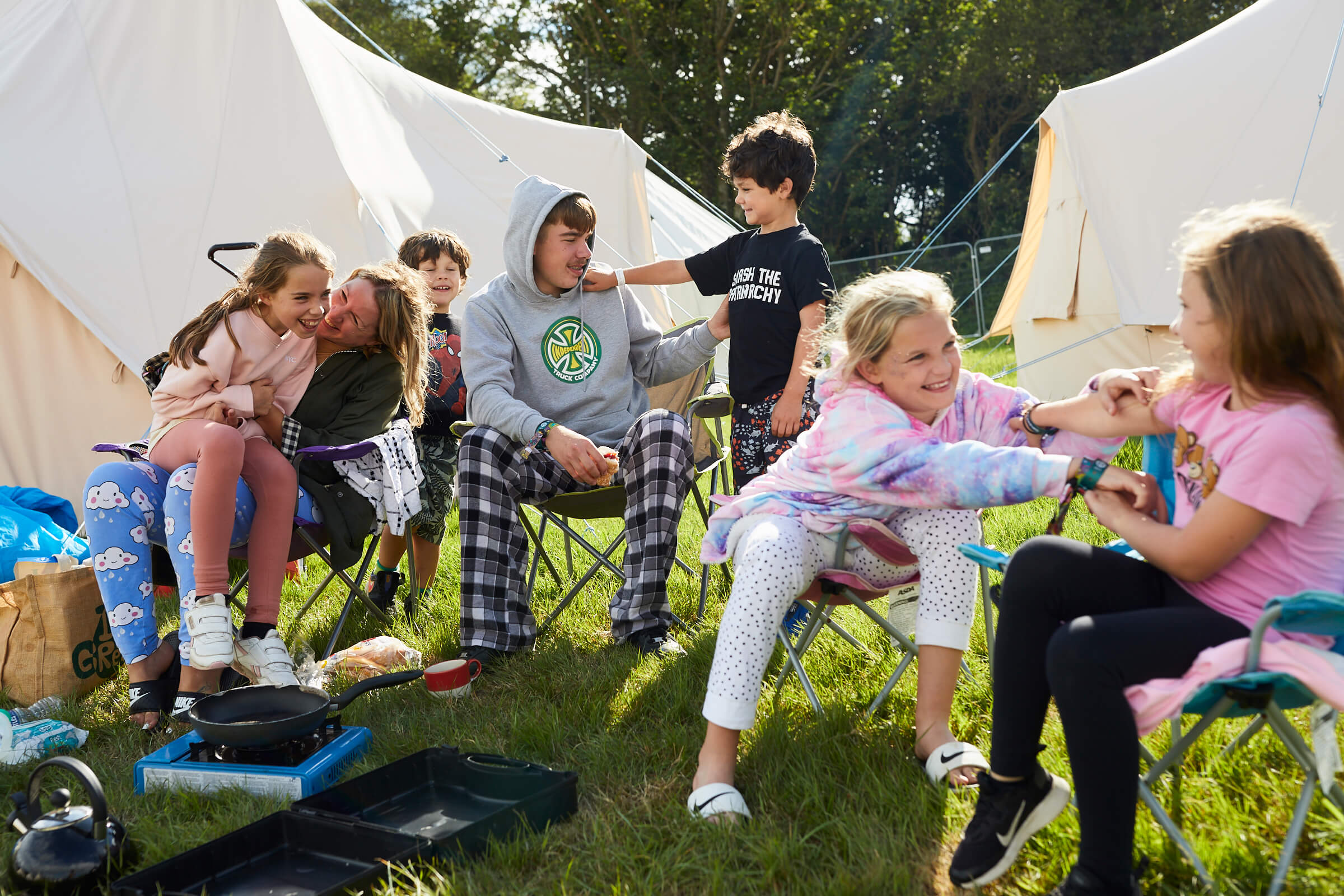
6 thoughts on “UK Festival Survival Guide: Everything I Wish I’d Known”